
Asbestos Removal Durham County Durham (DH1) Area: Annually, according to the accepted Health & Safety Executive (HSE) figures, about 5,000 people die from health issues caused by asbestos. You must contact an expert in the asbestos removal industry before you start any work, if you discover asbestos in your home or business premises in Durham. You must cease work straight away and call in a licensed asbestos surveyor, if during building works you believe that you've stumbled on asbestos material. Having the experience and skills to evaluate the situation, an asbestos removal contractor in Durham is the appropriate person to call.
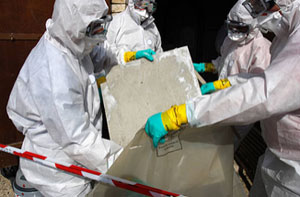
When you are dealing with asbestos removal in Durham there may be specific instances where a non-licensed company can do the necessary work. However, with asbestos fibres and dust capable of doing considerable damage and cause permanent issues on people's health, it is better to be safe than sorry. A competent Durham asbestos removal specialist will be Health and Safety Executive trained and licensed, and will adhere to all the necessary laws and guidelines to correctly complete the removal from your home.
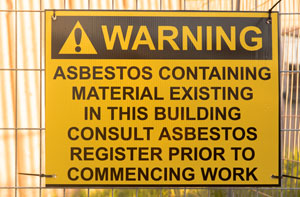
In addition to the removal of asbestos, there are many asbestos specialists in the Durham area who also provide surveys, sampling and testing services to properly assess the situation before any work begins. This will help to identify exactly what type of material is present, its condition & whether it actually poses a risk. In some cases, asbestos-containing materials can be safely managed in place without the need for removal, provided they are not likely to be disturbed. Having a clear understanding of the risks that are involved allows property owners to make informed decisions and ensures that any necessary work is carried out in line with current regulations and best practice.
THE HEALTH DANGERS OF ASBESTOS
Asbestos isn't harmful if left untouched. Asbestos can release tiny particles or fibres into the surrounding atmosphere only when damaged, abraded or cut. If such particles are inhaled they find their way into the lungs and are trapped, causing a health condition called asbestosis. It has been discovered that asbestos particles contribute to the onset of lung cancer and mesothelioma.
There's no cure known for asbestosis, and the scarring of the lungs due to asbestos fibres is irreversible.
The symptoms of asbestosis could include:
- Extreme Fatigue
- Severe Shortness of Breath
- Wheezing
- Pain in Your Shoulder or Chest
- Chronic Cough
If you have been exposed to asbestos over a long period of time, and you develop any of these symptoms, you must see your local GP and seek expert medical advice.
CONSIDERATIONS WHEN YOU'RE DEALING WITH ASBESTOS
Buildings and properties that were built from 1945 to 1985 are more inclined to contain asbestos than those that were built after this; asbestos was only banned in the construction industry in Great Britain in 1999. Lots of older properties could therefore have asbestos in some aspect of the structure. Asbestos was used in products like boiler insulation, ceiling tiles and pipe lagging and was also applied in the form of a spray as an ideal fire-proofing and insulation material.
Discovering asbestos in your property in Durham does not add up to an immediate threat. If you find that your property has asbestos insulation or other structural asbestos materials it will only be dangerous when it is interfered with. If it is possible to employ efficient management precautions to make sure the asbestos is not disturbed in any way, it might be better to leave it in situ. If you are in any doubt or would like to know about safe ways to deal with asbestos in your home or business premises you'll want to contact a certified asbestos removal contractor in Durham for advice.
Because asbestos-related illnesses often take many years to develop, exposure isn't always immediately obvious, which makes prevention all the more important. Even small amounts of airborne fibres can build up in the lungs over time, particularly with repeated disturbance of asbestos-containing materials. This is why strict control measures are in place across the UK, ensuring that any work involving asbestos is properly assessed & carried out using safe, regulated methods. Taking the right precautions early on can significantly reduce the risk to both occupants & tradespeople who are working on the property.
Specific asbestos materials are of a far higher risk to health than others. Roofing panels and asbestos cement sheets are low risk materials, whilst asbestos insulation boards, pipe lagging and loose fill insulation are all classed as high risk. Regardless of the threat linked with asbestos, a registered asbestos removal company in Durham can safely identify, remove and dispose of any harmful materials discovered in your home or property.

Depending on the sort and use of the property, and whether the asbestos material is in a form that calls for an authorised contractor, then the HSE or the local authority should be notified. The Control of Asbestos Regulations 2012 are the procedures that your asbestos removal firm must observe in order to protect work areas and people from asbestos dust and fibre.
If you do not hold a recognised Health and Safety Executive asbestos permit you could very well be prosecuted if you execute any asbestos removal work which demands a licensed person to perform the process.
DISPOSAL OF ASBESTOS
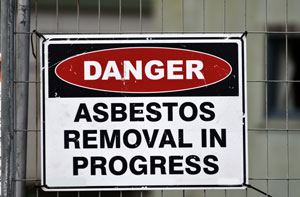
It is regarded as hazardous waste, the moment any asbestos product has been stripped away from your property in Durham. It is essential that any asbestos hazardous waste is disposed of in a safe and proper manner, observing the stated instructions from your local authorities. By employing an authorised asbestos removal company, you can be certain that they're sticking to all of the local authority and the HSE guidelines regarding hazardous asbestos waste.
The Carriage of Dangerous Goods Act 2009 (CDG 2009) deals with the transfer and disposal of asbestos material if it is damaged or is in the form of loose fibres. A waste carrier's licence is essential in this case to ensure its safe disposal in a government recognised disposal facility. To put your mind at rest the use of a registered Durham asbestos removal contractor gives them the responsibility of following all legislation and rules, including the safe-keeping and storage of all disposal paperwork for three years, at least just in case it's needed in the future.
THE PHASES OF WORK
You ought to verify any suspected instances of asbestos in your Durham property before you start any construction debris removal. Professional testing will affirm the absence or presence of asbestos materials and the licensing that is necessary for removing and disposing of it. If you decide not to complete a professional asbestos inspection on an older house or property, you must anticipate there is asbestos present somewhere and implement all of the necessary precautions.
All inspections, testing and sampling needs to be undertaken by a licensed asbestos surveyor who is not affiliated with your selected asbestos removal company.
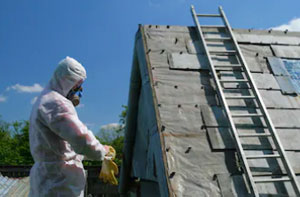
If the survey uncovers asbestos that requires a licensed firm for removal, the Health and Safety Executive must be advised at least 14 days prior to the implementation of work. A certified contractor will provide all the necessary paperwork that should include: 1. A written statement outlining how the asbestos samples are going to be tested and the method of making certain the work site is clear and safe as soon as the hazardous elements have been removed. 2. A prepared work declaration of the rules, guidelines and regulations for the project. 3. All certificates required for the company and its personnel to complete the work, covering; medical, hazardous waste disposal, risk assessments, sample testing, training and work licenses. 4. A Certificate of Reoccupation from the relevant authorities once the 4 stage asbestos clearance process has been finished.
It is also worth noting that proper documentation and record keeping plays a key role throughout the entire process. From initial surveys & risk assessments through to final disposal, every stage should be clearly recorded and retained. This not only ensures compliance with current legislation but also provides reassurance that the work has been carried out safely & correctly. For property owners in Durham, having this paperwork in place can be particularly important if you plan to sell, lease or carry out further development on the building in the future.
Sufficient PPE (personal protective equipment) will be provided for all persons entering the site, by the asbestos removal firm, and they'll also ensure the proper disposal procedures for any asbestos waste materials.
QUALIFICATIONS, PROFESSIONAL BODIES and AFFILIATIONS
To help you decide on which asbestos removal contractor in Durham to pick, you can enquire if they're members of any of the professional bodies and associations in the industry.
UKATA - The UK Asbestos Training Association (UKATA) is a nonprofit organisation that is committed to raising standards within the asbestos industry, by offering the finest quality training and education. From the individual property owner to the largest companies, UKATA has a study course with acknowledged qualifications for everybody; these qualifications can be verified by means of their online search facility for validity.
ATaC - Asbestos analysts, testing facilities and surveyors should be affiliated with ATaC, the Asbestos Testing Consultancy Association. It is a UKAS accredited association and its registered members are acknowledged as specialists in the asbestos sector.
ARCA - The Asbestos Removal Contractors Association (ARCA) is the foremost industry organisation for contractors and companies working in the hazardous asbestos removal industry. They commit themselves to promoting safe working practices by providing support, guidance and training on all issues pertaining to the asbestos removal trade.
Asbestos surveys and asbestos removal services are available to homes and businesses in Durham and also in surrounding towns and villages such as Hexham, Bearpark, Sacriston, Consett, Bishop Aukland, Dragonville, Peterlee, High Pittington, Sherburn, Broompark, Houghall, Chester le Street, Brancepeth, Croxdale, Bowburn, Hartlepool. Local Durham asbestos removal companies will probably have the postcode DH1 and the dialling code 0191. Checking this out will guarantee you are accessing local providers of asbestos removal. Durham householders are able to utilise these and numerous other asbestos related services.
Types of Asbestos
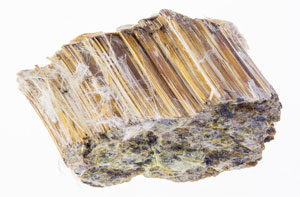
Popular in both the manufacturing and construction industries from the latter part of the nineteenth century until it was banned in the British Isles in 1999, asbestos is a naturally occurring fibrous material which can be found on every continent of the world. In all there are 6 different kinds of asbestos, and all are unique minerals belonging to the serpentine and amphibole families, namely - amosite, crocidolite, chrysotile, tremolite, anthophyllite and actinolite.
It is beyond the scope of this brief article to look at all but the 3 principal types - amosite, chrysotile and crocidolite.
Crocidolite (Blue Asbestos) - Crocidolite (often called blue asbestos), is regarded as the most dangerous form of asbestos. It's often found in cement products, spray-on coatings, pipe lagging and plastics, and was widely used for insulating steam engines.
Amosite (Brown Asbestos or Grunerite) - Also called brown asbestos, Amosite asbestos or grunerite is often found in fire protection, insulating board, pipe insulation, roofing materials, ceiling tiles and cement sheets. The 2nd most dangerous form of asbestos was mostly mined in South Africa and is a part of the Amphibole family.
Chrysotile (White Asbestos) - Chrysotile asbestos, also known as white asbestos, was the most widely used of all these materials. In Durham homes and buildings, it is still often found in roofs, floors, ceilings, insulation and walls. It can also be found in many manufactured products such as boiler seals, brake linings, gaskets and pipe & duct insulation.
Asbestos Tile Removal
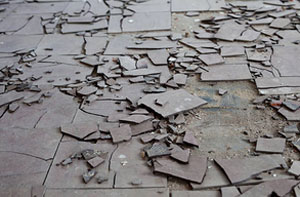
Asbestos floor tile removal is a challenging and hazardous procedure that calls for careful handling and proper safety measures. Asbestos, a naturally sourced mineral, found frequent usage in flooring tiles in the past because of its durability and heat-resistant properties. When airborne asbestos fibres are inhaled, various medical issues such as asbestosis, lung cancer and mesothelioma have been linked to them.
Specialised equipment and protective clothing such as disposable coveralls, gloves and respirators are required for removing asbestos floor tiles to prevent exposure to the harmful asbestos fibres. It is essential to follow the guidelines set out by regulatory bodies, such as the Health and Safety Executive (HSE), to ensure safe removal and disposal of the floor tiles and waste.
For minimising the risk of asbestos exposure, it is essential that only registered professionals with the necessary training and experience perform the removal of asbestos floor tiles. Once the floor tiles have been removed, it is crucial to thoroughly clean the area and test it for any lingering traces of asbestos.
Land Remediation Services Durham
Land (ground) remediation is the process of cleaning up and restoring contaminated soil or groundwater, making the land safe for use once more. Ground remediation is typically utilised in areas where contaminants, such as industrial chemicals, heavy metals or pesticides, have contaminated the groundwater or soil. Ground remediation is carried out with the purpose of lowering the levels of pollutants present to a satisfactory level, thereby restoring the safety of the land. Ground remediation can be accomplished through various methods, such as excavation, soil washing and bioremediation. The technique used will depend on the type and level of contamination, together with the site conditions. The task of ground remediation is often prolonged and complex, necessitating specialized equipment and skilled professionals. It is vital to work alongside experienced professionals who can make certain that the remediation process is carried out effectively and safely.
Asbestos Sampling/Testing
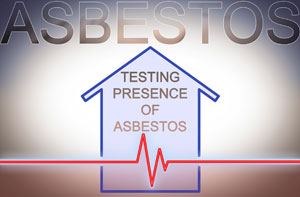
Asbestos sampling or testing involves the assessment of suspicious materials to ascertain whether or not they contain any asbestos. If there is a material in your home or office in Durham that you suspect could contain asbestos, samples need to be taken and sent away for analysis by a specialist. Amongst the most common asbestos containing materials (ACMs) found in Durham buildings are: sprayed coatings, Artex, roof tiles, duct/pipe lagging, radiator covers, insulation board and caulking. If you are undertaking major renovation work on a building that was erected before 2000 you must perform asbestos sampling and testing on any suspect materials.
All analysis of ACMs must be undertaken by a UKAS certified laboratory (ISO 17025), according to the Control of Asbestos Regulations 2012. It's neither advisable nor reliable to depend on the asbestos testing kits that you might have noticed advertised online. Make sure you use a professional company for your asbestos sampling and testing needs - keep safe, even if it involves a little more expense.
Asbestos Encapsulation Durham
Without removing asbestos-containing materials (ACMs), the vital technique of asbestos encapsulation is used for their management. In this process, a sealant is applied to the ACMs to prevent asbestos fibres from being released. When the material is encapsulated, the risk of exposure is significantly reduced, which makes the environment safer for occupants.
The primary advantage of asbestos encapsulation is its cost-effectiveness relative to full removal. Encapsulation is less disruptive, allowing buildings to remain operational during the process. Furthermore, it provides a durable solution that can ensure protection against exposure to asbestos for many years.
Nonetheless, the encapsulation of asbestos necessitates meticulous planning and execution by trained professionals. To ensure the sealant remains intact and to monitor the condition of the encapsulated material, regular inspections are essential. Maintaining safety and compliance with health regulations necessitates immediate repair if any damage occurs. (Asbestos Encapsulation Durham)
Artex Removal
Artex was widely used on ceilings and walls throughout the UK, particularly during the 1970s and 1980s, to create attractive textured finishes. While it is often seen as a bit dated today, the bigger concern is that older Artex coatings may contain small amounts of asbestos. If your Durham property has textured coatings and you are planning some renovation or refurbishment work, it is important to have the material assessed before you disturb it. Sanding, scraping or drilling into Artex can release harmful fibres into the air, therefore professional advice should always be sought before any work begins.
In many cases, Artex that contains asbestos can be safely managed if it remains in good condition & is left undisturbed. However, if removal is necessary, the work must be carried out using controlled methods to minimise the release of harmful fibres. Depending on the condition & the asbestos content, this may be completed by a trained non-licensed contractor in Durham, although strict procedures still need to be followed. These include the use of appropriate personal protective equipment, careful removal techniques & a thorough cleaning of the area afterwards.
All of the waste that is produced during Artex removal is classed as hazardous and must be disposed of in line with current regulations. A professional Durham asbestos contractor will ensure that all materials are securely packaged, transported and taken to a licensed disposal facility. They will also follow Health & Safety Executive guidelines throughout the process, helping to protect both occupants & workers. If you are unsure about the presence of asbestos in your Artex, it is always best to arrange testing and seek guidance from a qualified local specialist before carrying out any work.
Asbestos Air Monitoring Durham
Ensuring air quality safety in areas with potential asbestos fiber contamination relies on the critical process of asbestos air monitoring. Detecting and evaluating airborne asbestos particles is the objective of regular air monitoring conducted by certified specialists. This helps calculate the effectiveness of asbestos abatement procedures, ensuring they meet safety requirements. During asbestos removal or renovation projects in Durham, continuous monitoring helps protect both workers and occupants from exposure risks. Specialist equipment plays a vital role in asbestos air monitoring, used to collect air samples that are analysed in accredited laboratories. Accurate and timely monitoring, crucially, safeguards public health and prevents asbestos-related ailments. (Tags: Asbestos Air Monitoring Durham)
Asbestos Garage Roof Removal
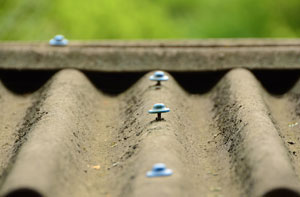
If you have to replace a garage roof in Durham that is made of asbestos cement sheets, you've got to be aware of the health risks the removal involves. Any work on the removal and disposal of asbestos in a home or business premises should normally only to be attempted by a government licensed company. Only cement bonded asbestos is permitted to be dealt with by a private individual, assuming that specific steps are observed.
Before you start any work on an asbestos garage roof you must be completely aware of the physical state of the asbestos sheeting, and also be confident that your skills are up to the task; otherwise, ask a specialist for assistance. This is normally the preferred approach due to the legal requirements for personal protective equipment (PPE), public danger notices for asbestos, and the specialised equipment required for safe removal and disposal via an approved asbestos waste storage facility.
A professional asbestos removal firm in Durham will abide by all the appropriate legal requirements for health & safety in asbestos removal, their working practices, disposal, and cleaning the site afterwards, to make sure that the garage is safe for re-roofing and working in.
Asbestos Awareness Courses
Asbestos awareness courses are crucial for anyone who might encounter asbestos in their line of work, whether they're builders, electricians, decorators, or maintenance workers. These courses give a basic understanding of what asbestos is, where it's often found, and why it's so dangerous. Since asbestos was widely used in building materials until the late 1990s, older properties in Durham may still contain it. Learning to identify potential asbestos materials is the first step to protecting yourself and those around you.
One key thing to know about asbestos awareness training is the importance of understanding the risks linked to asbestos exposure. Inhaling those asbestos fibres can result in significant health issues like lung cancer, asbestosis, and mesothelioma. Given that these diseases may take years to show symptoms, it's essential to recognise the hazards now, as even a little exposure can have lasting repercussions. In Durham, awareness courses help people grasp these risks more thoroughly, ensuring they are well-prepared for instances where asbestos could be a concern.
These courses are not intended for training in asbestos removal, which should only be done by licensed professionals. Instead, they emphasise recognising materials that could contain asbestos, learning the appropriate actions to take if asbestos is suspected, and understanding the regulations related to its safe handling. By knowing when to involve specialists, you can avoid disturbing asbestos and thereby reduce potential health risks.
Asbestos awareness training is a wise investment for anyone working in environments where asbestos could be present. By understanding the risks and knowing how to handle potentially hazardous situations, workers in Durham can keep themselves, their colleagues, and any occupants safe from the dangers of asbestos. (Tags: Asbestos Awareness Courses)
Asbestos Removal Tasks Durham

Asbestos removal experts should be able to help with asbestos van collection in Durham, the removal of asbestos ceiling tiles, asbestos removal from loft insulation and roof void areas, asbestos roof tile removal, reinstatement services, asbestos sampling in Durham, house clearance, hazardous material management, asbestos management services in Durham, white asbestos removal in Durham, asbestos gutter removal, asbestos waste removal, asbestos insulation removal, asbestos risk assessment, asbestos replacement, asbestos tile removal, asbestos flue removal, the identification of ACMs in Durham, asbestos sampling and identification by qualified asbestos surveyor, asbestos identification in Durham, asbestos decontamination cleaning services following removal and clearance, asbestos floor tile removal, asbestos risk management, unsafe asbestos removal Durham, asbestos waste collection transportation and licensed disposal services, asbestos cement water tank removal, and other hazardous waste related jobs. These are just a few of the duties that are carried out by people specialising in asbestos removal. Durham companies will be happy to tell you about their entire range of services.
Products That Might Contain Asbestos
- Composite Materials (Window Sills, Bath Panels and Toilet Cisterns)
- Floor Tiles (Mainly Those Installed Between 1920 and 1960)
- Textiles (Heat-Resistent Gloves, Fire Blankets and Protective Aprons)
- Roofing Felt (Especially on Outbuildings and Garages)
- Asbestos Cement Products (Downpipes, Corrugated Roof Sheets and Cladding)
- Textured Coatings (Older Forms of Polytex and Artex)
- Sprayed Coatings on Beams, Columns, Ceilings and Walls
- Gaskets and Rope Seals (Particularly on Old Hot Water Boilers and Stove Doors)
- Lagging on Pipes
- Asbestos Insulation Boards (Partition Walls, Ceiling Tiles and Panels in Fireproof Doors
Some UK Occupations Most at Risk of Mesothelioma (Asbestosis)
(In No Particular Order)
- Electrical Energy, Boiler & Plant Attendants
- Plumbers/Heating & Ventilation Engineers
- Vehicle & Coach Body Builders
- Sheet Metal Workers
- Mechanical Engineers
- Metal Working Production & Maintenance Fitters
- Mates to Metal, Electrical & Related Fitters
- Construction Workers
- Carpenters & Joiners
- Metal Plate Workers
- Electrical Maintenance Engineers
(Source: HSE Study 2009)
Asbestos Removal Near Durham
Also find: Chester le Street asbestos removal, Sacriston asbestos removal, Sherburn asbestos removal, Consett asbestos removal, Bearpark asbestos removal, Bishop Aukland asbestos removal, Brancepeth asbestos removal, Houghall asbestos removal, Peterlee asbestos removal, Bowburn asbestos removal, High Pittington asbestos removal, Hartlepool asbestos removal, Hexham asbestos removal, Dragonville asbestos removal, Croxdale asbestos removal, Broompark asbestos removal services and more. Most of these locations are catered for by companies who do asbestos removal. Durham business and home owners can get asbestos removal estimates by clicking here.
Asbestos Removal Services Durham
- Waste Removal
- Biohazard Removal
- Domestic Asbestos Removal
- Asbestos Surveys
- Hazardous Waste Removal
- Asbestos Inspections
- Asbestos Disposal
- Asbestos Removal Prices
- Commercial Asbestos Removal
- Industrial Asbestos Removal
- Asbestos Removal Estimates
- Hazardous Material Removal
- Asbestos Removal
- Asbestos Testing

Other Durham Tradesmen: When you're searching for asbestos removal in Durham, you might also need the professional services of other specialists, for example you might need an electrician in your locality, a basement conversion specialist in the local area, a general builder in the area, a plasterer in Durham, woodworm treatment in the vicinity, landscaping in the local area, a joiner in the local area, builder's cleans in your locality, a roofing contractor in the local area, garden clearance in the area, a flooring contractor in the Durham area, waste removal in the immediate area, an odd job man in the immediate area, gutter cleaning in the area, a painter & decorator in your locality, home maintenance in the vicinity, removal services in your local area, a dry lining specialist in your local area, demolition services in your local area, a bricklayer in the vicinity, SKIP HIRE in your local area, or other Durham tradespeople.
 Asbestos Removal Durham
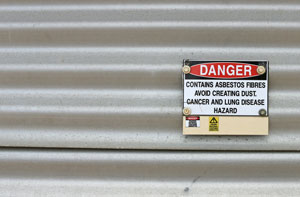 Asbestos Removal Near Me
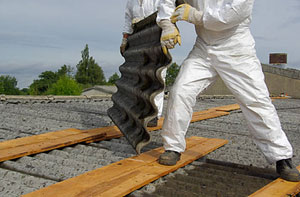 Asbestos Removal Companies Durham
If you would like to get local Durham information check here
Asbestos Removal in DH1 area, telephone code 0191.
Removal of Asbestos - Asbestos Removal Quotes - Asbestos Management Durham - Asbestos Disposal Durham - Hazardous Material Removal - Residential Asbestos Removal Durham - Biohazard Removal - Asbestos Removal Durham - Commercial Asbestos Removal Durham