
Asbestos Removal Wells-next-the-Sea Norfolk (NR23) Area: Asbestos is classified as a compound that's hazardous to health and causes over five thousand deaths annually, (HSE figures). You must get in touch with a specialist in the field of asbestos removal before any work begins, if you discover asbestos material in your home or business premises in Wells-next-the-Sea. If you're doing building works and you suddenly encounter asbestos that you were not aware of, you should seek the advice of an authorised asbestos professional and cease work immediately. So as to be able to give advice on the most effective way to make the area safe, a certified Wells-next-the-Sea asbestos removal specialist will examine the suspect material and fully evaluate the situation.
Some asbestos construction materials don't call for a licensed asbestos company to carry out the removal and disposal. But, due to the long term impact on health from asbestos fibres and dust, it's always preferable to use experienced asbestos professionals. There are many regulations and laws in the asbestos industry with which an experienced Wells-next-the-Sea asbestos removal contractor must abide by in safely removing and disposing of any asbestos materials.
In addition to the removal of asbestos, there are many asbestos specialists in the Wells-next-the-Sea area who also provide surveys, sampling and testing services to properly assess the situation before any work begins. This will help to identify exactly what type of material is present, its condition & whether it actually poses a risk. In some cases, asbestos-containing materials can be safely managed in place without the need for removal, provided they are not likely to be disturbed. Having a clear understanding of the risks that are involved allows property owners to make informed decisions and ensures that any necessary work is carried out in line with current regulations and best practice.
THE HEALTH DANGERS OF ASBESTOS
You do not need to fret too much about asbestos if it is in your property and left untouched. Asbestos can unleash small particles into the surrounding atmosphere only when damaged, cut or abraded. If such particles are inhaled they enter the lungs and become trapped, causing a health condition known as asbestosis. Lung cancer consultants have also identified asbestos fibres to be a contributing cause in the disease.
No cure is known for asbestosis, and the damage to the lungs caused by asbestos fibres is permanent.
The symptoms of asbestosis may include:
- Wheezing
- Pain in the Shoulders or Chest
- Acute Shortness of Breath
- Chronic Cough
- Extreme Fatigue
If you experience one or several of these symptoms and you've been exposed to asbestos over time, you must contact your doctor and seek their advice.
CONSIDERATIONS WHEN YOU ARE DEALING WITH ASBESTOS
Asbestos was banned from use in Great Britain in 1999, although it was not very widely used after around 1985. Owners of properties built during this time frame must be cautious when upgrading or doing any structural works due to the increased probability of finding asbestos. It was used in products like pipe lagging, boiler insulation and ceiling tiles and was also applied in the form of a spray as a perfect insulation and fire proofing material.
If you do happen to come across asbestos lagging or panels in your Wells-next-the-Sea property, you don't need to go into a panic. If you find your home has got asbestos cladding or other structural asbestos materials it is only dangerous when it's disturbed. In truth, in some structures it is better to leave the asbestos in situ and use precautions to make sure it isn't damaged. You ought to get assistance from an experienced asbestos removal contractor if you are unclear about the risks of any asbestos materials in your property in Wells-next-the-Sea.
Because asbestos-related illnesses often take many years to develop, exposure isn't always immediately obvious, which makes prevention all the more important. Even small amounts of airborne fibres can build up in the lungs over time, particularly with repeated disturbance of asbestos-containing materials. This is why strict control measures are in place across the UK, ensuring that any work involving asbestos is properly assessed & carried out using safe, regulated methods. Taking the right precautions early on can significantly reduce the risk to both occupants & tradespeople who are working on the property.
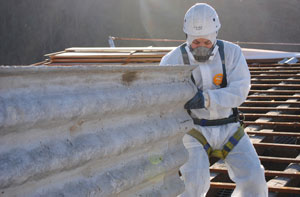
Not all asbestos products are a high health risk and need registered removal technicians to deal with them. For example, loose fill insulation, asbestos insulation boards and pipe lagging are looked upon as higher risk than asbestos cement sheets and roofing panels. Regardless of the risks linked with asbestos, a certified asbestos removal contractor in Wells-next-the-Sea can safely identify, remove and dispose of any materials that are present in your home or property.

Depending on the sort and usage of the property, and if the asbestos removal is in a form that requires a registered contractor, then the HSE or the local authority must be advised. The Control of Asbestos Regulations 2012 are the procedures that your asbestos removal contractor must follow in order to safeguard work areas and people from asbestos fibres and dust.
Be warned it is an offence punishable by law to undertake what's considered to be licensed work if you haven't got a license.
ASBESTOS DISPOSAL Wells-next-the-Sea
Asbestos material of any type, once stripped away from your Wells-next-the-Sea property or home, is regarded as hazardous waste. Any hazardous waste, particularly waste which contains asbestos materials, has stringent laws for the manner in which it can be safely disposed of. A certified asbestos removal firm in Wells-next-the-Sea will stick to all of the guidelines and regulations provided by the Health & Safety Executive and the local authority.
According to the state of the asbestos, i.e. if it is loose fibre asbestos or is damaged, its disposal is going to be governed by the Carriage of Dangerous Goods Act 2009. The Carriage of Dangerous Goods Act 2009 stipulates a separate waste carrier's license is needed and the asbestos waste has to be transported to a registered hazardous waste disposal facility. Your Wells-next-the-Sea asbestos removal company will take liability for ensuring this is carried out properly, and must keep all paperwork relating to the work and disposal for a minimum of 3 years.
PHASES OF WORK
Before removing any items that may contain asbestos from your Wells-next-the-Sea home or property, it's wise to verify the substances that are involved. Only a certified asbestos surveyor or contractor can lawfully confirm asbestos and the methods required for removing and disposing of it. You may choose not to undertake an asbestos inspection on your house or property, but if it was constructed between 1945 and 1999, you need to assume there is asbestos present somewhere and conform to all of the health and safety measures.
A professional asbestos surveyor will perform all testing, sampling and inspections must be independent of the asbestos removal specialist.
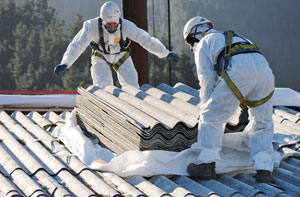
The HSE or local authority must be advised at least 2 weeks before any asbestos removal and disposal work starts, that calls for a certified firm to perform the task. The necessary documentation will be supplied by the asbestos removal contractor and needs to include: 1. All relevant training certificates for staff along with all contractor documentation covering hazardous waste disposal, work licenses, risk assessments and any other papers that are legally required. 2. A definitive strategy for sample testing and also clearing up after the job. 3. A work declaration outlining the regulations and legislation to be followed. 4. A Certificate of Reoccupation from the relevant authorities after the 4 stages of clearances has been finished.
It is also worth noting that proper documentation and record keeping plays a key role throughout the entire process. From initial surveys & risk assessments through to final disposal, every stage should be clearly recorded and retained. This not only ensures compliance with current legislation but also provides reassurance that the work has been carried out safely & correctly. For property owners in Wells-next-the-Sea, having this paperwork in place can be particularly important if you plan to sell, lease or carry out further development on the building in the future.
The asbestos company will also provide all PPE for their workers and make sure that all asbestos waste is appropriately stored and transported to a registered waste disposal centre.
PROFESSIONAL ORGANISATIONS, QUALIFICATIONS and AFFILIATIONS
To make sure you select a reliable asbestos removal firm in Wells-next-the-Sea there are two or three industry associations and bodies for asbestos management specialists.
UKATA - The United Kingdom Asbestos Training Association (UKATA) is a non-profit body that is dedicated to improving standards in the asbestos industry, by delivering the highest quality training. From property owners to industry leaders, it provides instantly recognisable certificates that can be validated and checked via their online portal.
ARCA - The Asbestos Removal Contractors Association (ARCA) is the United Kingdom's premier association which represents companies working within the industry. By providing support, guidance and training to their respected members, ARCA is focused on promoting a safe working environment within the asbestos removal and disposal trade.
ATaC - Asbestos surveyors, testing laboratories and analysts should be affiliated with ATaC, the Asbestos Testing Consultancy Association. ATaC is a certified UKAS affiliate and provides recognition to its membership in this specialised arena.

Asbestos removal services and asbestos surveys are available to homes and businesses in Wells-next-the-Sea itself and also in nearby locations such as Stiffkey, Burnham Market, Binham, Peterstone, Brancaster Staithe, Wighton, Warham, Titchwell, Copy's Green, North Creake, Brancaster, Burnham Norton, New Holkham, Burnham Overy Staithe, Burnham Thorpe, Cockthorpe. Locally based Wells-next-the-Sea asbestos removal specialists will likely have the postcode NR23 and the telephone dialling code 01328. Checking this will guarantee that you are accessing local providers of asbestos removal. Wells-next-the-Sea property owners will be able to benefit from these and numerous other comparable services.
Asbestos Sampling/Testing Wells-next-the-Sea
The analysis of suspicious materials to establish whether they contain any asbestos or not is a process known as asbestos testing. If you have identified such materials in your home or business premises in Wells-next-the-Sea, which you are thinking might contain asbestos, a sample should be taken and sent away to an expert for examination. Typical asbestos containing materials include pipe/duct lagging, textured coatings (i.e. Artex), wallboard, shed roofs, floor tiles, caulking and roof tiles. If you're carrying out major renovation work on a building that was erected before the year 2000 you will need to conduct asbestos sampling and testing on any suspicious materials.
All evaluations of asbestos containing materials (ACMs) must be accomplished by a UKAS accredited laboratory (ISO 17025), in keeping with the Control of Asbestos Regulations 2012. Whilst searching online for "asbestos testing", you might have come across asbestos testing kits, which may seem cheaper and more attractive than going through the process of hiring a professional company. However, these are neither reliable nor advisable for determining whether certain materials in your premises contain asbestos. Stay safe, even if it costs you a little more overall, and make sure you use a professional contractor for your asbestos sampling and testing needs. (Tags: Asbestos Testing Wells-next-the-Sea, Asbestos Testing Kits Wells-next-the-Sea, Asbestos Sampling Wells-next-the-Sea, Asbestos Tests Wells-next-the-Sea).
Asbestos Removal Contractors Wells-next-the-Sea
Companies specializing in asbestos removal are capable of handling the safe removal and disposal of asbestos-containing materials. These companies have licensed and trained professionals who have the necessary knowledge, experience and protective equipment to handle the risks associated with asbestos removal.
Asbestos removal companies follow strict regulations and protocols set by regulatory bodies, such as the Health and Safety Executive, to ensure the safe and proper removal of asbestos. Specialised techniques and equipment are employed to safely remove and dispose of asbestos materials, decreasing the risk of exposure to harmful asbestos fibres. Asbestos removal companies contribute significantly to safeguarding public health and the environment by managing the hazards associated with asbestos effectively.
Asbestos Air Monitoring Wells-next-the-Sea
Asbestos air monitoring is a procedure that is used to assess and ensure the safety of air quality in environments that could potentially be contaminated with airborne asbestos fibres. This process involves the methodical sampling of the air for the presence of these dangerous fibres. The quantity of airborne asbestos fibres is measured to determine whether it poses a threat to the health of residents, workers or occupants.
Competent asbestos professionals use specialist equipment to perform air monitoring. Air sampling devices are carefully placed in areas where asbestos removal or disturbance is taking place. These devices collect air samples over a set period. After collection, the samples are analysed in approved laboratories to determine the concentration and kinds of asbestos fibres present in the area.
Critical purposes are served by air monitoring, whose significance is paramount.
- Risk Assessment: Asbestos air monitoring helps to assess the level of asbestos exposure risk during activities such as asbestos maintenance, renovation or removal, which is essential for safety. Protective measures can be implemented based on informed decision-making, which is made possible by this.
- Regulatory Compliance: Stringent asbestos management regulations are in place in a lot of countries, including the UK, and asbestos air monitoring helps to ensure that this legislation are met and that safety measures are documented.
- Worker Safety: Air monitoring is a crucial tool for people involved in asbestos-related work, such as asbestos removal contractors, construction workers, and maintenance staff, to ensure their safety by providing real-time data on the effectiveness of containment measures and the need for personal protective equipment.
- Public Health: Asbestos fibres might travel beyond the immediate work zone, potentially impacting neighbouring homes and properties or even bystanders. Ensuring air quality through monitoring helps protect the wider community from airborne asbestos fibres.
- Verification of Abatement: Following the implementation of asbestos removal or control measures, air monitoring is typically conducted to verify that the area is safe for reoccupation. This step is crucial in preventing possible exposure to any asbestos fibres that are still hanging around.
Conclusion: As a vital defence, asbestos air monitoring protects against the health hazards associated with asbestos exposure. By offering precise information on airborne asbestos fibre levels, it facilitates timely interventions, safeguards worker and public health, and ensures adherence to regulations. The latency period for asbestos-related diseases is long, often requiring decades to manifest. Therefore, adopting proactive asbestos air monitoring is essential to preventing future health crises and protecting people who live and work in areas where asbestos might be hazardous. (Tags: Asbestos Air Monitoring Wells-next-the-Sea)
Asbestos Encapsulation Wells-next-the-Sea
Asbestos encapsulation is an important method for managing asbestos-containing materials (ACMs) without the need for removal. This process involves coating the ACMs with a sealant that prevents the release of asbestos fibres. When the material is encapsulated, the risk of exposure is significantly reduced, which makes the environment safer for occupants.
The primary benefit of asbestos encapsulation is its cost-effectiveness when compared to complete removal. As encapsulation is less disruptive, it allows buildings to remain operational during the process. Additionally, it offers a durable solution that can last for many years, ensuring long-term protection against exposure to asbestos.
Nonetheless, the encapsulation of asbestos demands meticulous planning and execution by skilled professionals. Regular inspections are needed to make sure the sealant stays intact and to monitor the condition of the encapsulated material. Immediate repair is essential to ensure safety and compliance with health regulations should any damage occur. (Asbestos Encapsulation Wells-next-the-Sea)
Asbestos Garage Roof Removal Wells-next-the-Sea
Securely disposing of old asbestos-containing roofing materials is part of asbestos garage roof removal. Asbestos was commonly used in roofing owing to its durability and fire-resistant properties, but it is now recognised to pose serious health risks. To avoid the release of harmful fibres, special care and professional handling are necessary when removing an asbestos roof.
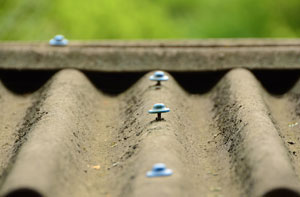
The initial thing to do in asbestos garage roof removal is to hire a licensed asbestos removal company. These professionals have the expertise to securely dismantle and dispose of asbestos materials. Using protective gear to ensure their safety, they will seal off the area to avoid contamination.
After removing the roof, the asbestos material is carefully packaged and transported to a certified disposal site. The area will then be carefully cleaned by the removal team to ensure no asbestos fibres remain. Making sure the garage is safe for future use, this process complies with health regulations. (Asbestos Garage Roof Removal Wells-next-the-Sea)
Ground Remediation Wells-next-the-Sea
Ground remediation is a process that involves the removal and restoration of polluted soil or groundwater. This is typically done in areas where there has been contamination from pollutants, such as industrial chemicals, heavy metals or pesticides. The purpose of ground remediation is to reduce the amount of pollutants to a safe level, rendering the land safe and usable once again. Ground remediation can be accomplished through various different methods, such as bioremediation, excavation and soil washing. The strategy chosen will depend on a range of variables, including the type and degree of contamination, and the condition of the site. Ground remediation is a challenging and time-intensive process that demands expertise and specialist tools. Collaborating with knowledgeable experts is vital to ensuring that the remediation procedure is carried out safely and efficiently. To summarize, ground remediation is a vital procedure for restoring polluted water and soil, and its success is contingent upon choosing the correct method for each specific scenario and working with competent professionals to guarantee safety and efficiency.
Asbestos Surveys Wells-next-the-Sea

Asbestos in some form or other is frequently found in buildings that were put up in Wells-next-the-Sea in the period 1850 to 1999. Thanks to its heat and chemical resistant properties, it was an exceptionally popular building material throughout that period. Identified in the nineteen seventies and eighties as a major cause of various health issues, such as kidney cancer, lung cancer, asbestosis, mesothelioma, atelectasis and laryngeal cancer, it was subsequently removed from many structures.
Such issues led to a complete ban on asbestos in British buildings in 1999, after blue and brown asbestos were first banned in 1985. Asbestos surveys are needed in many situations, given that many buildings that were erected before 1999 still contain asbestos.
There are 2 main types of asbestos survey that may be required on buildings in Wells-next-the-Sea.
- Asbestos Management Surveys
- Asbestos Refurbishment/Demolition Surveys
Asbestos Management Surveys Wells-next-the-Sea: The goal of an Asbestos Management Survey in Wells-next-the-Sea is to monitor asbestos containing materials during normal use and occupation of a building. Asbestos containing materials when in sound condition and undisturbed pose little danger to occupants. But, when they are damaged, disturbed or in bad condition asbestos fibres can be released into the air, causing a potentially dangerous situation.
Asbestos Refurbishment and Demolition Surveys Wells-next-the-Sea: When there are plans for demolishing or renovating a building in Wells-next-the-Sea, an Asbestos Refurbishment/Demolition Survey will be required. ARD surveys can cause serious levels of structural damage, therefore they're normally undertaken on buildings when they are empty. Asbestos Refurbishment/Demolition surveys must be completed before any upgrading, refurbishment or demolition work commences. This will identify any ACMs that exist in the structure of the building and ascertain how such materials can be managed safely or removed. Irrespective of the size of the refits and renovations, any professionals, management agents and occupants involved have the responsibility of arranging these ARD surveys, in accordance with the Control of Asbestos Regulations 2012 and the Construction Design and Management Regulations 2015. (Tags: Asbestos Surveys Wells-next-the-Sea, Asbestos Survey Wells-next-the-Sea, Asbestos Survey Types Wells-next-the-Sea).
Artex Removal
Artex was widely used on ceilings and walls throughout the UK, particularly during the 1970s and 1980s, to create attractive textured finishes. While it is often seen as a bit dated today, the bigger concern is that older Artex coatings may contain small amounts of asbestos. If your Wells-next-the-Sea property has textured coatings and you are planning some renovation or refurbishment work, it is important to have the material assessed before you disturb it. Sanding, scraping or drilling into Artex can release harmful fibres into the air, therefore professional advice should always be sought before any work begins.
In many cases, Artex that contains asbestos can be safely managed if it remains in good condition & is left undisturbed. However, if removal is necessary, the work must be carried out using controlled methods to minimise the release of harmful fibres. Depending on the condition & the asbestos content, this may be completed by a trained non-licensed contractor in Wells-next-the-Sea, although strict procedures still need to be followed. These include the use of appropriate personal protective equipment, careful removal techniques & a thorough cleaning of the area afterwards.
All of the waste that is produced during Artex removal is classed as hazardous and must be disposed of in line with current regulations. A professional Wells-next-the-Sea asbestos contractor will ensure that all materials are securely packaged, transported and taken to a licensed disposal facility. They will also follow Health & Safety Executive guidelines throughout the process, helping to protect both occupants & workers. If you are unsure about the presence of asbestos in your Artex, it is always best to arrange testing and seek guidance from a qualified local specialist before carrying out any work.
Occupations Most at Risk of Mesothelioma (Asbestosis)
(In No Particular Order)
- Mechanical Engineers
- Construction Workers
- Plumbers & Heating Engineers
- Sheet Metal Workers
- Metal Plate Workers
- Carpenters & Joiners
- Coach & Vehicle Body Builders
- Electricians
- Mates to Electrical, Metal & Related Fitters
- Metal Working Production & Maintenance Fitters
- Electrical Energy, Boiler & Plant Attendants
(Source: HSE Study 2009)
Construction Products That Might Contain Asbestos
- Old Floor Tiles (Largely Those Installed 1920-1960)
- Lagging
- Sprayed Coatings on Ceilings, Walls, Columns and Beams
- Asbestos Insulating Boards (Fire Door Panels, Ceiling Tiles and Partition Walls
- Rope Seals and Gaskets (Particularly on Old Hot Water Boilers)
- Composites (Toilet Cisterns, Bath Panels and Window Sills)
- Textured Coatings (Older Forms of Artex and Polytex)
- Textiles (Fire Blankets, Protective Aprons and Heat-Resistent Gloves)
- Roofing Felt (Especially on Garages and Outbuildings)
- Asbestos Cement Products (Downpipes, Cladding and Roofing Sheets)
 FAQ: Here are a few of the most frequently asked questions about asbestos management and asbestos removal: Who is qualified to carry out an asbestos survey? Do I need paperwork for asbestos disposal? Can I take an asbestos sample myself? What is asbestos disposal? What are the different types of asbestos surveys? Who is allowed to remove asbestos? How can I tell if a material contains asbestos? Can asbestos be found in floor tiles or adhesives? What should I do if asbestos is damaged accidentally?
Asbestos Removal Tasks Wells-next-the-Sea

Asbestos removal companies should be able to help with asbestos insulation removal, asbestos encapsulation, licensed asbestos removal Wells-next-the-Sea, asbestos surveys, office clearance, asbestos air testing, asbestos consultancy & advice, asbestos removal from loft insulation and roof void areas, crocidolite blue asbestos removal, asbestos floor tile removal, asbestos cement water tank removal, asbestos inspections, asbestosis prevention in Wells-next-the-Sea, asbestos air monitoring in Wells-next-the-Sea, white asbestos removal, asbestos ceiling removal, asbestos tile removal, asbestos sampling and identification by qualified asbestos surveyor, Artex removal, asbestos waste collection transportation and licensed disposal services, house clearance, asbestos management surveys for landlords & property owners, asbestos encasement, soft strip demolition, hazardous asbestos removal Wells-next-the-Sea, asbestos risk assessments, and other hazardous waste related work. Listed are just an example of the duties that are handled by those specialising in asbestos removal. Wells-next-the-Sea professionals will tell you about their entire range of services.
Asbestos Removal Near Wells-next-the-Sea
Also find: North Creake asbestos removal, Wighton asbestos removal, Cockthorpe asbestos removal, New Holkham asbestos removal, Burnham Overy Staithe asbestos removal, Peterstone asbestos removal, Stiffkey asbestos removal, Burnham Thorpe asbestos removal, Copy's Green asbestos removal, Binham asbestos removal, Burnham Market asbestos removal, Burnham Norton asbestos removal, Titchwell asbestos removal, Warham asbestos removal, Brancaster Staithe asbestos removal, Brancaster asbestos removal services and more. All of these villages and towns are covered by companies who do asbestos removal. Wells-next-the-Sea home and business owners can get asbestos removal quotations by clicking here.
Asbestos Removal Services Wells-next-the-Sea
- Asbestos Removal Prices
- Asbestos Surveys
- Asbestos Removal Contractors
- Asbestos Inspections
- Hazardous Waste Removal
- Asbestos Disposal
- Domestic Asbestos Removal
- Asbestos Removal Quotations
- Commercial Asbestos Removal
- Asbestos Removal
- Waste Removal
- Biohazard Removal
- Asbestos Testing
- Hazardous Material Removal

Other Wells-next-the-Sea Tradesmen: When you are looking for asbestos removal in Wells-next-the-Sea, you may also require the services of other tradesmen, for instance you might need demolition services in the immediate area, garden clearance in the vicinity, a painter & decorator in the area, a landscaper in the area, removal services in the immediate area, a roofing contractor in the immediate area, damp proofing in the area, a dry lining specialist in the area, a handyperson in your locality, a bricklayer in your local area, driveway cleaning in the Wells-next-the-Sea area, a general builder in the immediate area, builder's cleans in your local area, SKIP HIRE in your locality, a carpenter & joiner in your locality, home maintenance in the local area, a flooring specialist in your locality, a cellar conversion specialist in the immediate area, an electrician in the vicinity, a plasterer in your local area, rubbish removal in Wells-next-the-Sea, or some other Wells-next-the-Sea tradespeople.
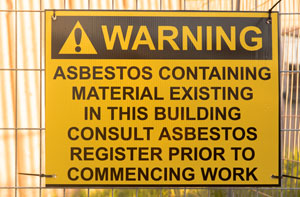 Asbestos Removal Wells-next-the-Sea
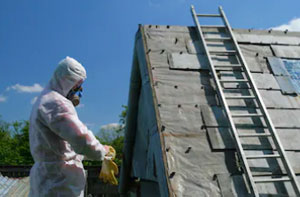 Asbestos Removal Near Wells-next-the-Sea
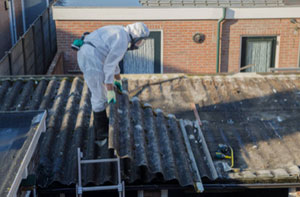 Asbestos Removal Companies Wells-next-the-Sea
To read local information relating to Wells-next-the-Sea, Norfolk go here
Asbestos Removal in NR23 area, phone code 01328.
TOP - Asbestos Removal Wells-next-the-Sea
Asbestos Removal Companies Wells-next-the-Sea - Asbestos Encapsulation - Asbestos Management Wells-next-the-Sea - Asbestos Removal Quotations - Removing Asbestos - Asbestos Removal Near Me - Hazardous Waste Removal - Industrial Asbestos Removal Wells-next-the-Sea - Residential Asbestos Removal Wells-next-the-Sea