
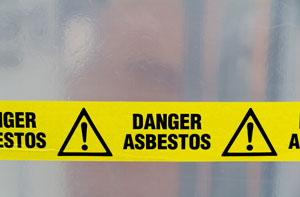
Asbestos Removal Dumbarton Scotland (G82) Area: Somewhere around five thousand people in the British Isles die from issues caused by asbestos exposure each year, based on figures released by the Health & Safety Executive (HSE). If your Dumbarton property calls for the removal and disposal of some asbestos you should seek expert help in order to achieve this safely. You must cease work immediately and call in an authorised asbestos removal specialist, if during building works you think that you have stumbled on asbestos. You'll need the asbestos contractor to confirm if it actually is asbestos so as to understand the best and safest technique for removal.

Certain asbestos building materials do not require a certified asbestos company to undertake the disposal. However, with asbestos fibres and dust capable of doing long term damage and cause lasting issues on people's health, it's generally better to be safe than sorry. A professional Dumbarton asbestos removal specialist will be Health and Safety Executive trained and licensed, and will adhere to all the appropriate laws and guidelines to safely complete the removal from your home or business premises.
In addition to the removal of asbestos, there are many asbestos specialists in the Dumbarton area who also provide surveys, sampling and testing services to properly assess the situation before any work begins. This will help to identify exactly what type of material is present, its condition & whether it actually poses a risk. In some cases, asbestos-containing materials can be safely managed in place without the need for removal, provided they are not likely to be disturbed. Having a clear understanding of the risks that are involved allows property owners to make informed decisions and ensures that any necessary work is carried out in line with current regulations and best practice.
HEALTH DANGERS FROM ASBESTOS
Asbestos is not hazardous if left untouched. It's only if you damage it in some way that it can release its dangerous fibres into the surrounding air. When these particles enter the lungs by breathing, they are known to cause a disease called, asbestosis. It has been discovered that asbestos fibres contribute to the onset of lung cancer.
There's no known cure for asbestosis and the scarring to the lungs caused by the asbestos fibres cannot be reversed.
Symptoms for asbestosis may include:
- Wheezing
- Acute Shortness of Breath
- Extreme Fatigue
- Persistent Cough
- Pain in the Shoulder or Chest
If you have been in contact with asbestos over a long period of time, and you experience any of these symptoms, you should make an appointment to see your doctor and seek medical advice.
THINGS TO CONSIDER WHEN DEALING WITH ASBESTOS
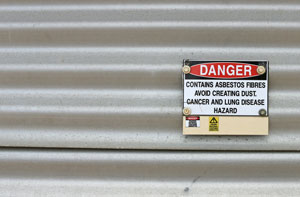
Properties and buildings that were constructed from 1945 to 1985 are more inclined to have asbestos in their construction than those built after this period; asbestos was only banned in the construction industry in the British Isles after 1999. Many older homes and properties could therefore contain asbestos in certain aspects of the structure. It was used in items such as boiler insulation, pipe lagging and ceiling tiles and was also applied in the form of a spray as an excellent fire-proofing and insulation material.
If you do come across asbestos in your home in Dumbarton, it doesn't automatically represent an immediate threat or danger. If you discover your home or business premises has asbestos cladding or other structural asbestos materials it will only be dangerous when it is disturbed or damaged. The fact is, in some buildings it's better to leave the asbestos in place and use precautions to make certain it isn't damaged. You should get assistance from an experienced asbestos removal contractor if you are uncertain about the risks posed by any asbestos in your property in Dumbarton.
Because asbestos-related illnesses often take many years to develop, exposure isn't always immediately obvious, which makes prevention all the more important. Even small amounts of airborne fibres can build up in the lungs over time, particularly with repeated disturbance of asbestos-containing materials. This is why strict control measures are in place across the UK, ensuring that any work involving asbestos is properly assessed & carried out using safe, regulated methods. Taking the right precautions early on can significantly reduce the risk to both occupants & tradespeople who are working on the property.
There are various degrees of risk relating to the range of asbestos materials that can be identified in older buildings. Because of how various asbestos products are produced and their likelihood to release harmful fibres into the environment, items like asbestos insulation boards, pipe lagging and loose fill insulations are considered higher risk to health than roofing panels and asbestos cement sheets. Regardless of the threat linked with asbestos, a licensed asbestos removal contractor in Dumbarton can safely identify, remove and dispose of any harmful materials that are present in your property or home.

If the removal of asbestos has a requirement for a HSE approved contractor to carry out the process, then the HSE or the local authority has to be informed. The Control of Asbestos Regulations 2012 are the procedures that your asbestos removal contractor must comply with in order to protect individuals and work areas from asbestos fibre and particles.
You should be warned that it's a prosecutable offence to undertake anything that is regarded to be licensed work without a license.
DISPOSAL OF ASBESTOS
It is regarded as hazardous waste, the moment any asbestos material has been stripped away from your home in Dumbarton. There are rigorous procedures needed to dispose of any type of hazardous waste, especially that containing asbestos products. A certified asbestos removal company will be familiar with the mandatory guidelines and laws in the local area for the disposal of the hazardous waste.
The Carriage of Dangerous Goods Act 2009 (CDG 2009) deals with the disposal of asbestos if it's in the form of loose fibres or is damaged. The Carriage of Dangerous Goods Act 2009 states that a separate waste carrier's license is essential and the asbestos waste must be disposed of in a certified hazardous waste disposal centre. For peace of mind the use of a registered Dumbarton asbestos removal service gives them the responsibility of following all regulations and rules, including the safe-keeping and storage of all operations and disposal documentation for three years, at the least just in case it is needed later on.
THE STAGES OF WORK
Before any items that might contain asbestos are removed from your Dumbarton property or home, it is advisable to confirm the materials which are involved. Only a registered asbestos surveyor or contractor can legally affirm asbestos and the strategies needed for the removal and disposing of it. If you decide not to complete a professional asbestos inspection on an older structure, you should assume there is asbestos present and take all the precautions that are necessary.
An asbestos removal company may recommend an asbestos surveyor to examine your home, but this individual must be independent and not an employee or partner in the business.
The local authority or Health and Safety Executive must be informed at least 14 days before any work starts of any asbestos removal which requires an authorised firm to undertake the work. The required documents will be supplied by the asbestos removal contractor and will include: 1. All relating training certificates for the workforce along with all contractor documents covering hazardous waste disposal, work licenses, risk assessments and any other papers that are legally required. 2. A written work plan of the guidelines, regulations and legislation for the job. 3. A clear method for sample testing and also cleaning up when the job is finished. 4. A Certificate of Reoccupation from the relevant authorities once the 4 stage asbestos clearance procedure has been finished.
It is also worth noting that proper documentation and record keeping plays a key role throughout the entire process. From initial surveys & risk assessments through to final disposal, every stage should be clearly recorded and retained. This not only ensures compliance with current legislation but also provides reassurance that the work has been carried out safely & correctly. For property owners in Dumbarton, having this paperwork in place can be particularly important if you plan to sell, lease or carry out further development on the building in the future.
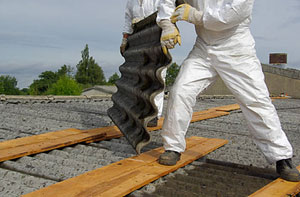
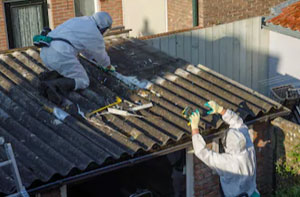
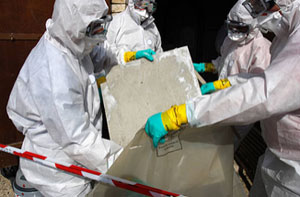
The asbestos removal company will also supply all personal protective equipment for their workers and ensure that all asbestos waste is correctly stored and transferred to a certified waste disposal facility.
AFFILIATIONS, PROFESSIONAL BODIES and QUALIFICATIONS
To make sure you select a reputable asbestos removal contractor in Dumbarton there are a number of industry associations and bodies for asbestos management professionals.
UKATA - The non-profit organisation, UKATA (the UK Asbestos Training Agency), dedicates itself to raising standards by providing the best quality courses and training for anyone involved with asbestos. From the biggest companies to an individual property owner, UKATA has a training course with recognised qualifications for anyone who needs them; these accreditations can be checked through their online search facility for validity.
ARCA - The Asbestos Removal Contractors Association (ARCA), represents professional individuals and businesses working in the asbestos industry. Providing an extensive package of support, guidance and training, ARCA takes responsibility for fostering reliability, professionalism and safe working practices for its membership.
ATaC - The Asbestos Testing and Consultancy Association (ATaC) is the de-facto trade organisation for analysts, surveyors and testing facilities, dealing with all components that contain asbestos. As a UKAS associated member, ATaC promotes its membership as specialists within the asbestos testing sector.

Asbestos surveys and asbestos removal services are available to home and business owners in Dumbarton itself and also in neighbouring villages and towns like Cardross, Kilbowie, Alexandria, Jamestown, Helensburgh, Renton, Keppoch, Dalmuir, Mountblow, Clydebank, Bowling, Radnor Park, Bonhill, Camis Eskan, Milton, Old Kilpatrick. Locally based Dumbarton asbestos removal companies will likely have the dialling code Dialling code 01389 and the postcode G82. Checking this should make sure that you're accessing local providers of asbestos removal. Dumbarton property owners can utilise these and lots of other similar services.
Asbestos Awareness Courses
Asbestos awareness courses are vital for anyone who might come into contact with asbestos in their work, including builders, decorators, electricians, and maintenance staff. These courses provide essential information about asbestos, where it might be found, and why it's so hazardous. Asbestos was commonly used in building materials until the late 1990s, so older properties in Dumbarton may still contain it. Knowing how to spot potential asbestos materials is the first step to staying safe.
A key aspect of training in asbestos awareness is knowing the risks that come with exposure to asbestos. When someone inhales asbestos fibres, it can lead to severe health issues, including asbestosis, lung cancer, and mesothelioma. Because these conditions can take years to manifest, understanding the dangers today is essential, as even minimal exposure can have lasting repercussions. The awareness courses in Dumbarton enable individuals to comprehend the full range of these risks, helping them to be better prepared for situations where asbestos could be an issue.
These courses won't teach you how to remove asbestos � that's a job for the professionals. Instead, they focus on identifying potential asbestos-containing materials, knowing what to do if you suspect asbestos, and understanding the regulations around safe handling. By knowing when to call in the experts, you can avoid disturbing asbestos and minimise the risk to your health.
Asbestos awareness training is truly a smart move for anyone employed in settings where there's a chance that asbestos could be present. When workers in Dumbarton take the time to learn about and respect the associated dangers, they can go about their duties with greater confidence, ultimately keeping themselves, their colleagues, and all occupants safe from this often unseen hazard. (Tags: Asbestos Awareness Courses)
Artex Removal
Artex was widely used on ceilings and walls throughout the UK, particularly during the 1970s and 1980s, to create attractive textured finishes. While it is often seen as a bit dated today, the bigger concern is that older Artex coatings may contain small amounts of asbestos. If your Dumbarton property has textured coatings and you are planning some renovation or refurbishment work, it is important to have the material assessed before you disturb it. Sanding, scraping or drilling into Artex can release harmful fibres into the air, therefore professional advice should always be sought before any work begins.
In many cases, Artex that contains asbestos can be safely managed if it remains in good condition & is left undisturbed. However, if removal is necessary, the work must be carried out using controlled methods to minimise the release of harmful fibres. Depending on the condition & the asbestos content, this may be completed by a trained non-licensed contractor in Dumbarton, although strict procedures still need to be followed. These include the use of appropriate personal protective equipment, careful removal techniques & a thorough cleaning of the area afterwards.
All of the waste that is produced during Artex removal is classed as hazardous and must be disposed of in line with current regulations. A professional Dumbarton asbestos contractor will ensure that all materials are securely packaged, transported and taken to a licensed disposal facility. They will also follow Health & Safety Executive guidelines throughout the process, helping to protect both occupants & workers. If you are unsure about the presence of asbestos in your Artex, it is always best to arrange testing and seek guidance from a qualified local specialist before carrying out any work.
Types of Asbestos
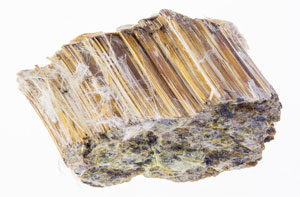
A fibrous material that occurs naturally on every one of the world's continents, asbestos was regularly used in construction and manufacturing from the late 19th century to the 1990s. There are 6 distinct minerals which are commonly referred to as asbestos, namely - amosite, chrysotile, crocidolite, tremolite, anthophyllite and actinolite, and they all belong to the 2 families amphibole and serpentine.
For the purpose of this short article we will just be looking at the 3 main types that were most widely used in products found in the UK. Those are: crocidolite, amosite and chrysotile.
Amosite (Grunerite or Brown Asbestos) - Often used to make cement sheets, insulating board, pipe insulation, fire protection, roofing materials and vinyl tiles, amosite (grunerite) is also referred to as brown asbestos. It was mostly mined in South Africa.
Chrysotile (White Asbestos) - Also referred to as white asbestos, chrysotile asbestos was the most widely used form of this deadly material. It was used in the manufacture of brake linings, pipe & duct insulation, gaskets and boiler seals, and in the roofs, insulation, floors, walls and ceilings of many Dumbarton homes and buildings. It is the only type of asbestos that is part of the Serpentine family of minerals.
Crocidolite (Blue Asbestos) - Crocidolite (also known as blue asbestos), is regarded as the most dangerous type of asbestos. It's often found in cement products, pipe insulation, plastics and spray-on coatings, and was widely used for insulating steam engines.
Asbestos Removal Companies Dumbarton
Contractors specializing in asbestos removal have the necessary equipment and expertise to safely remove and dispose of asbestos-containing materials. These companies employ professionals who are licensed, trained, and possess the necessary protective equipment, experience and knowledge to manage the risks associated with asbestos removal.
Asbestos removal companies are required to adhere to strict protocols and regulations set by regulatory bodies like the HSE to ensure the proper and safe removal of asbestos. The risk of exposure to harmful asbestos fibres is minimized by using specialised equipment and techniques to safely remove and dispose of asbestos materials. Asbestos removal contractors are vital in protecting public health and the environment by managing the hazards associated with asbestos effectively.
Asbestos Air Monitoring Dumbarton
Asbestos air monitoring is a comprehensive procedure employed to assess and ensure the safety of air quality in environments that could potentially be contaminated with airborne asbestos fibres. The air is methodically sampled and analysed for the presence of these dangerous fibres. The objective is to measure the quantity of airborne asbestos fibres and to determine whether they pose a threat to the health of employees, occupants or residents.
Certified asbestos professionals use specialist equipment to perform air monitoring. Carefully placed air sampling devices are used in areas where asbestos removal or disturbance is occurring. Air samples are collected by these devices over a specified period. After collection, the samples are analysed in accredited laboratories to determine the quantity and type of asbestos fibres present in the area.
Air monitoring can't be overemphasised in its importance, serving several crucial purposes:
- Risk Assessment: Asbestos air monitoring is an essential tool for determining the level of asbestos exposure risk during activities such as asbestos removal, renovation or maintenance, to ensure safety. This allows for protective measures to be implemented in a way that is informed and based on sound evidence.
- Regulatory Compliance: To ensure compliance with asbestos management regulations and to document the safety measures taken, asbestos air monitoring is required by law in a lot of countries, including the United Kingdom.
- Worker Safety: For individuals involved in asbestos-related work, such as asbestos removal specialists, construction workers, and maintenance staff, air monitoring provides real-time data on the effectiveness of containment measures and the need for personal protective equipment.
- Public Health: Given that asbestos fibres are tiny and can become airborne, they might extend beyond the work zone, reaching nearby properties or passers-by. Air monitoring ensures that the adjoining community is shielded from inhaling these dangerous fibres.
- Verification of Abatement: After asbestos removal or containment measures have been implemented, air monitoring is often conducted to verify that the area is safe for reoccupation. This prevents potential exposure to lingering asbestos fibres.
Conclusion: As a critical defence, asbestos air monitoring protects against the health hazards related to asbestos exposure. Providing accurate data on airborne asbestos fibre concentrations facilitates timely interventions, protects the health of workers and the public, and ensures regulatory compliance. The latency period for asbestos-related diseases is long, often requiring decades to manifest. Therefore, adopting proactive asbestos air monitoring is essential to preventing future health crises and protecting people living and working in areas where asbestos might be hazardous. (Tags: Asbestos Air Monitoring Dumbarton)
Asbestos Encapsulation Dumbarton
A vital technique for handling asbestos-containing materials (ACMs) without removal is asbestos encapsulation. In this process, a sealant is applied to the ACMs to prevent asbestos fibres from being released. By encapsulating the material, the risk of exposure is significantly reduced, which makes the environment safer for occupants.
The primary advantage of asbestos encapsulation is its cost-effectiveness compared to full removal. Buildings can remain operational during the process because encapsulation is less disruptive. Additionally, it delivers a durable solution that can endure for many years, ensuring prolonged protection against exposure to asbestos.
However, meticulous planning and execution by trained professionals is required for asbestos encapsulation. To ensure the sealant stays intact and to check the condition of the encapsulated material, regular inspections are required. Should any damage occur, immediate repair is necessary to ensure safety and health regulation compliance. (Asbestos Encapsulation Dumbarton)
Asbestos Tile Removal
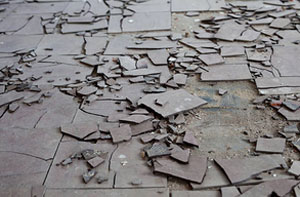
Careful handling and effective safety measures are necessary when undertaking the challenging and hazardous process of asbestos floor tile removal. In the past, floor tiles widely used asbestos, a naturally sourced mineral, for its heat-resistant properties and durability. There has been a link between various medical problems, such as lung cancer, asbestosis and mesothelioma, and the inhalation of airborne asbestos fibres.
Specialist protective clothing and equipment such as respirators, gloves and disposable coveralls are a prerequisite for removing asbestos floor tiles to prevent exposure to the harmful fibres. The guidelines issued by regulatory bodies such as the HSE must be followed to ensure the safe removal and disposal of asbestos floor tile waste.
Licensed professionals with the appropriate experience and training should be the only ones to carry out asbestos floor tile removal to reduce the risk of asbestos exposure. Thorough cleaning and testing for any remaining asbestos fibres are necessary after the removal of the floor tiles from the area. Before undertaking any action to remove asbestos, it is vital to seek the counsel of a specialist, as the existence of asbestos in a building or home might not always indicate danger.
Ground Remediation Services Dumbarton
The goal of ground remediation is to clean up and restore groundwater or soil that's been contaminated or polluted by noxious chemicals. This is typically done in areas where there has been contamination from pollutants, such as industrial chemicals, pesticides or heavy metals. The objective of ground remediation is to reduce the levels of pollutants to a safe level, rendering the land safe and usable once again. The methods used for ground remediation can vary, with some common techniques including excavation, soil washing and bioremediation. The remediation approach selected will be based on a number of factors, such as the extent and type of contamination, along with the environmental conditions and site characteristics. The process of ground remediation is frequently a complicated and lengthy undertaking that demands specialist knowledge and high-tech tools. Collaborating with knowledgeable experts is vital to ensuring that the remediation process is carried out safely and efficiently. In conclusion, ground remediation is a necessary process for cleaning up contaminated soil and groundwater, and its success depends on employing the appropriate method for each specific situation and partnering with skilled professionals to guarantee effectiveness and safety.
Construction Products Which Might Contain Asbestos
- Composite Materials (Toilet Cisterns, Window Sills and Bath Panels)
- Asbestos Insulating Boards (AIB) (Partition Walls, Ceiling Tiles and Panels in Fire Doors
- Asbestos Cement Products (Roof Sheets, Downpipes and Cladding)
- Pipework Lagging
- Sprayed Coatings on Walls, Ceilings, Columns and Beams
- Old Floor Tiles (Regularly Used Between 1920 an 1960)
- Textiles (Fire Blankets, Protective Aprons and Heat-Resistent Gloves)
- Roofing Felt (Especially on Outbuildings and Garages)
- Rope Seals and Gaskets (Especially on Hot Water Boilers and Stove Doors)
- Textured Coatings (Older Forms of Polytex and Artex)
Some UK Occupations Most at Risk of Asbestosis (Mesothelioma)
(In No Particular Order)
- Construction Workers
- Metal Plate Workers
- Plumbers/Heating & Ventilation Engineers
- Metal Working Production & Maintenance Fitters
- Coach & Vehicle Body Builders
- Electrical Maintenance Engineers & Electricians
- Carpenters & Joiners
- Sheet Metal Workers
- Mates to Metal & Electrical Fitters
- Electrical Energy, Boiler & Plant Operatives and Attendants
- Mechanical Engineers
(Source: HSE Study 2009)
Courses for Asbestos Removal

ATaC provide plenty of asbestos related training courses, for anybody who wishes to learn all about asbestos removal, asbestos surveying, asbestos management and asbestos analysis. The courses that are currently available are RSPH Level 3 Award in Asbestos Air Monitoring and Clearance Procedures, RSPH Level 4 Certificate in Asbestos Laboratory and Project Management, RSPH Level 3 Award in Asbestos Surveying, RSPH Level 3 Award in Asbestos Bulk Analysis and Remote RSH Level 3 Award in Asbestos Management for Dutyholders. Such qualifications are via the Royal Society for Public Health (RSPH), and have been especially created for specialists participating in asbestos management, who are working within UKAS endorsed organisations.
Asbestos Removal Tasks Dumbarton

Asbestos removal specialists should be able to help with asbestos sampling, textured ceiling removal, asbestos van collection, corrugated asbestos removal, asbestos encasement, asbestos abatement, Artex asbestos removal Dumbarton, asbestos risk assessments, asbestos management, ground remediation, asbestos removal services, artex asbestos surveys, asbestos removal from loft insulation and roof void areas, asbestos risk management in Dumbarton, pre-demolition asbestos surveys in Dumbarton, crocidolite blue asbestos removal, domestic asbestos surveys, asbestos ceiling removal, office clearance, asbestos waste collection, asbestos site investigations, asbestos decontamination cleaning services following removal & clearance, hazardous asbestos removal Dumbarton, asbestos disposal, Artex removal, asbestos floor tile removal before renovation or refurbishment works, and other hazardous waste related work. Listed are just a small portion of the activities that are performed by those specialising in asbestos removal. Dumbarton specialists will inform you of their entire range of asbestos services.
Asbestos Removal Near Dumbarton
Also find: Helensburgh asbestos removal, Jamestown asbestos removal, Camis Eskan asbestos removal, Renton asbestos removal, Kilbowie asbestos removal, Bowling asbestos removal, Radnor Park asbestos removal, Dalmuir asbestos removal, Alexandria asbestos removal, Cardross asbestos removal, Keppoch asbestos removal, Milton asbestos removal, Old Kilpatrick asbestos removal, Clydebank asbestos removal, Bonhill asbestos removal, Mountblow asbestos removal services and more. All these towns and villages are catered for by companies who do asbestos removal. Dumbarton property owners can get asbestos removal estimates by going here.
Asbestos Removal Services Dumbarton
- Hazardous Waste Removal
- Asbestos Removal
- Waste Removal
- Asbestos Testing
- Residential Asbestos Removal
- Asbestos Removal Quotes
- Asbestos Disposal
- Asbestos Removal Prices
- Asbestos Removal Contractors
- Commercial Asbestos Removal
- Domestic Asbestos Removal
- Industrial Asbestos Removal
- Biohazard Removal
- Asbestos Inspections
 Asbestos Removal Dumbarton
 Asbestos Removal Near Me
 Asbestos Removal Companies Dumbarton
If you would like to get local info regarding Dumbarton, Scotland click here
Asbestos Removal in G82 area, telephone code Dialling code 01389.
TOP - Asbestos Removal Dumbarton
Biohazard Removal - Asbestos Surveys Dumbarton - Removal of Asbestos - Asbestos Removal Dumbarton - Asbestos Removal Specialists Dumbarton - Domestic Asbestos Removal Dumbarton - Asbestos Encapsulation - Hazardous Material Removal - Asbestos Removal Near Me