
Asbestos Removal Comber Northern Ireland (BT23) Area: The HSE (Health & Safety Executive) reports that more than five thousand deaths each year are caused by health conditions due to asbestos. If your Comber home requires the removal and disposal of some asbestos you'll have to seek professional help in order to accomplish this in a safe way. If, during building or remodeling works, you think it likely that you have come across asbestos you must cease work right away and get in touch with a certified asbestos removal company. Having the skills and experience to evaluate the situation, a professional asbestos removal specialist in Comber is the person to call.
It might be found during the inspection that you don't need to use a HSE certified company for the asbestos removal and disposal. However, with the long lasting health and safety risks to people and the environment, it is always advisable to call in professional help from the asbestos removal field. Always use a certified Comber asbestos removal company who adheres to the mandatory HSE guidelines and that has had the correct training in the industry.
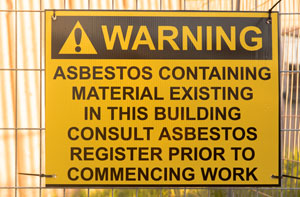
In addition to the removal of asbestos, there are many asbestos specialists in the Comber area who also provide surveys, sampling and testing services to properly assess the situation before any work begins. This will help to identify exactly what type of material is present, its condition & whether it actually poses a risk. In some cases, asbestos-containing materials can be safely managed in place without the need for removal, provided they are not likely to be disturbed. Having a clear understanding of the risks that are involved allows property owners to make informed decisions and ensures that any necessary work is carried out in line with current regulations and best practice.
HEALTH DANGERS FROM ASBESTOS
Asbestos isn't harmful when left undisturbed. Only when it's scraped or cut can small asbestos particles be released into the atmosphere. Asbestosis is the health condition that's triggered by asbestos fibres entering into the lungs and being trapped. Lung cancer specialists have also identified asbestos particles to be a contributing cause in this horrible disease.
There is no cure known for asbestosis, and the scarring of the lungs due to asbestos fibres is irreversible.
Symptoms for asbestosis can include:
- Extreme Fatigue
- Acute Shortness of Breath
- Pain in the Shoulders or Chest
- Persistent Cough
- Wheezing
You must seek medical advice if you believe you've been in contact with asbestos over time and you're experiencing symptoms from those mentioned.
THINGS TO CONSIDER WHEN YOU'RE DEALING WITH ASBESTOS
Asbestos was used extensively in British construction and building from 1945 to 1985, but was actually banned for use in 1999. Lots of older homes and properties could therefore contain asbestos in certain sections of the structure. Asbestos was used in products like pipe lagging, boiler insulation and ceiling tiles and was also applied in spray form as an ideal fire-proofing and insulation material.
If you do come across asbestos insulation or panels in your Comber home, you don't need to go into a panic. Don't forget that asbestos is only a danger to health if interfered with. If you are able to use effective management precautions to make sure the asbestos is not damaged or disturbed in any way, it might be preferable to leave it in place. If you are at all uncertain or want to find out safe techniques for dealing with asbestos in your property it is best to get in touch with an experienced asbestos removal contractor in Comber for advice.
Because asbestos-related illnesses often take many years to develop, exposure isn't always immediately obvious, which makes prevention all the more important. Even small amounts of airborne fibres can build up in the lungs over time, particularly with repeated disturbance of asbestos-containing materials. This is why strict control measures are in place across the UK, ensuring that any work involving asbestos is properly assessed & carried out using safe, regulated methods. Taking the right precautions early on can significantly reduce the risk to both occupants & tradespeople who are working on the property.
Certain asbestos materials pose a greater health risk than others. Roof panels and asbestos cement sheets are low risk materials, whilst pipe lagging, asbestos insulation boards and loose fill insulation are all high risk. A registered asbestos removal firm in Comber is able to provide you with a secure method for removing all types of asbestos that could be found in your property or home.

If there is a requirement for licensed asbestos removal work to be performed then the HSE or the local authority must be notified, depending on the sort of premises and what it's used for. To limit and prevent any dangerous exposure to asbestos, the Control of Asbestos Regulations 2012 is the legal document that must be complied with by your certified removal contractor.
Be aware it's an offence punishable by law to perform anything that is deemed to be licensed work without a license.
ASBESTOS DISPOSAL
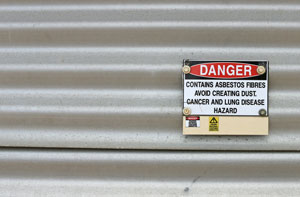
It is regarded as hazardous waste, the moment any asbestos product has been stripped away from your home or business premises in Comber. It's crucial that any hazardous asbestos waste is disposed of in the right manner, observing the laid out instructions from the local authorities. By using an authorised asbestos removal company, you can be certain they're sticking to all the Health & Safety Executive and the local authority rules concerning hazardous asbestos waste.
Dependant upon the condition of the asbestos, i.e. if it is loose fibre asbestos or is damaged, its disposal is going to be governed by the Carriage of Dangerous Goods Act 2009. The Carriage of Dangerous Goods Act 2009 says that a separate waste carrier's license is essential and that the asbestos waste must be transported to a certified hazardous waste disposal facility. By employing a local Comber asbestos removal firm you don't have to be worried about such details as they will abide by all regulations to the letter; including the safe-keeping of all documentation pertaining to the disposal for at least 3 years.
THE STAGES OF WORK
You ought to authenticate any believed cases of asbestos in your Comber home or property before you commence any actual removal work. Professional testing should affirm the presence or absence of asbestos and the certification that's required for the removal and disposing of it. If you don't undertake testing for asbestos and the structure was built prior to 1999, you must expect that there is asbestos present somewhere and implement all the appropriate precautions.
All sampling, surveys and analysis needs to be undertaken by a qualified asbestos surveyor who is independent of your selected asbestos removal firm.
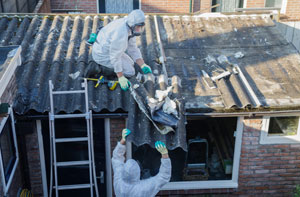
If it's confirmed that you need to hire a Health and Safety Executive authorised asbestos contractor for the removal and disposal work necessary, it is a legal requirement to advise the Health and Safety Executive of any work to be completed at least 14 days in advance. The required paperwork will be provided by the asbestos removal firm and should include: 1. A method of intent for the asbestos testing, plus the methods of clearing up the site after work completion by observing the 4 stages of clearances. 2. All relevant training certificates for workers as well as all contractor certifications covering risk assessments, hazardous waste disposal, work licenses and any other paperwork that are legally required. 3. A prepared work plan of the legislation, guidelines and regulations for the job. 4. A Certificate of Reoccupation from the relevant authorities once the 4 stages of clearances has been finished.
It is also worth noting that proper documentation and record keeping plays a key role throughout the entire process. From initial surveys & risk assessments through to final disposal, every stage should be clearly recorded and retained. This not only ensures compliance with current legislation but also provides reassurance that the work has been carried out safely & correctly. For property owners in Comber, having this paperwork in place can be particularly important if you plan to sell, lease or carry out further development on the building in the future.
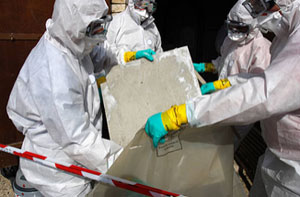
All necessary health & safety precautions for the personnel, including personal protective equipment (PPE), will be provided by the asbestos removal contractor and they will ensure that all hazardous asbestos waste is properly removed to a licensed disposal site.
QUALIFICATIONS, AFFILIATIONS and PROFESSIONAL ORGANISATIONS
To help you to determine which asbestos removal contractor in Comber to choose, you can inquire if they are affiliated with or members of two or three professional bodies and associations in the industry.
ARCA - The Asbestos Removal Contractors Association, represents professional businesses and individuals working within the asbestos industry. They devote themselves to the promotion of safe working practices by providing support, training and guidance on all issues pertaining to the asbestos removal and disposal industry.
ATaC - The Asbestos Testing and Consultancy Association (ATaC) is the de-facto professional organisation for surveyors, testing facilities and analysts, dealing with all components thought to contain asbestos. As a UKAS accredited member, the Asbestos Testing Consultancy Association endorses its registered members as experts within the asbestos testing industry.
UKATA - The United Kingdom Asbestos Training Association, is a nonprofit body which provides the highest quality training for the all those within the asbestos sector. From the individual householder to the biggest company, UKATA (the UK Asbestos Training Agency) has a course with recognized qualifications for everybody; these certifications can be validated via their online search facility.
Asbestos surveys and asbestos removal services are available to homes and businesses in Comber and also in neighbouring villages and towns such as Lisbane, Dundonald, Millisle, Crossnacreevy, Newtownards, Ballygowan, Saintfield, Killinchy, Carrowdore, Moneyreach, Carryduff, Balloo, Greyabbey. Local Comber asbestos removal companies will most likely have the telephone code 028 and the postcode BT23. Verifying this should make certain that you are accessing local providers of asbestos removal. Comber property owners are able to benefit from these and various other similar services.
Asbestos Sampling/Testing
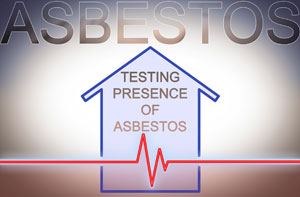
Asbestos sampling and testing is carried out to confirm whether a material contains asbestos and to identify the type that is present. If you come across a suspicious material in your Comber property, especially in buildings that were constructed before 1999, its important not to disturb it. A trained asbestos surveyor will safely take a small sample using controlled methods that are designed to prevent fibres from being released into the air. This sample will then be sent to a UKAS accredited laboratory for detailed analysis, where specialists can determine the presence & condition of any asbestos fibres. The results will guide the next steps, whether that involves monitoring, encapsulation or full removal by a licensed contractor. Trying to take samples yourself can be dangerous and may lead to unnecessary exposure, therefore it is always advisable to rely on qualified professionals who follow strict safety procedures and Health & Safety Executive regulations.
Asbestos Surveys

Asbestos surveys are a key step in identifying materials that may contain asbestos within a property in Comber and assessing the risk that they pose. If your home or commercial building in Comber was built before 1999, there is a good chance that asbestos could be present in areas such as insulation, ceiling tiles, floor tiles, pipe lagging or wall panels. A professional survey carried out by a qualified asbestos surveyor will confirm whether asbestos is present & determine its condition, helping you to decide on the safest course of action to take. There are different types of asbestos surveys, including management surveys for ongoing occupancy and refurbishment, or demolition surveys which are required before any major works begin. If you attempt to inspect or disturb suspected materials yourself you can release harmful fibres into the air, so it is always best to leave this to trained specialists who follow strict Health & Safety Executive guidelines and industry regulations.
Types of Asbestos
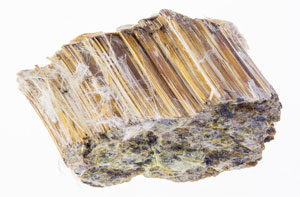
Occurring naturally on every continent of the world, asbestos is a fibrous material that was used in the manufacturing and construction industries from the latter part of the 19th century until it was banned altogether in the United Kingdom in 1999. Belonging to the serpentine and amphibole families, there are six different kinds of asbestos in all - amosite, crocidolite, chrysotile, tremolite, actinolite and anthophyllite.
For the purpose of this brief article we'll just be looking at the 3 main types that are most regularly found in UK buildings and homes. Those are: chrysotile, amosite and crocidolite.
Chrysotile (White Asbestos) - Chrysotile asbestos, also referred to as white asbestos, was the most commonly used of all these materials. In Comber homes, it is still often found in walls, ceilings, insulation, floors and roofs. It can also be encountered in various manufactured products like pipe & duct insulation, boiler seals, gaskets and brake linings.
Amosite (Brown Asbestos) - Often used in the manufacture of pipe insulation, roofing materials, thermal insulation products, cement sheets, insulating board and ceiling tiles, amosite (grunerite) is also referred to as brown asbestos. It was mined mostly in South Africa.
Crocidolite (Blue Asbestos) - Crocidolite (also referred to as blue asbestos), is recognised as the most dangerous form of asbestos. It is frequently found in plastics, cement products, pipe insulation and spray-on coatings, and was widely used in the insulation of steam engines.
Interesting Facts: An interesting but astonishing fact is that asbestos was even used to make cigarette filters, so smokers were actually breathing this harmful material directly into their lungs during the fifties. The thing that makes it even more unbelievable is that it was promoted as a health benefit at the time (1952-1956)! Indeed, the manufacturers of Kent Micronite cigarettes (of which some 13 billion were sold), namely Lorillard Tobacco, must get the "blunder of the century" award for encouraging smokers to shove the most harmful kind of asbestos (crocidolite) into their mouths. The affected victims of this scandal are still making multi-million dollar settlement claims even today. Among other health problems experienced by victims, many were beset by a rare and particularly aggressive form of cancer known as mesothelioma.
Asbestos Awareness Courses
It's really important for anyone who might encounter asbestos in their job to take asbestos awareness courses. This includes a range of professions, from builders and electricians to decorators and maintenance personnel. These courses offer a basic understanding of what asbestos is, where it can be found, and the reasons it's considered so dangerous. Since asbestos was widely used in construction materials until the late 1990s, older buildings in Comber might still have it. Learning how to identify possible asbestos-containing materials is crucial for ensuring your safety and the safety of others.

One of the primary focuses of asbestos awareness training is understanding the risks that come with asbestos exposure. Inhaling asbestos fibres can lead to serious health issues, including asbestosis, lung cancer, and mesothelioma. Because these conditions can take years to develop, it's essential to grasp the dangers now, as even minimal exposure can have long-term impacts. Awareness courses help individuals in Comber understand these risks comprehensively, preparing them to handle situations where asbestos might be present.
These courses won't teach you how to remove asbestos � that's a job for the professionals. Instead, they focus on identifying potential asbestos-containing materials, knowing what to do if you suspect asbestos, and understanding the regulations around safe handling. By knowing when to call in the experts, you can avoid disturbing asbestos and minimise the risk to your health.
Investing in asbestos awareness training is a wise choice for anyone who works in environments where asbestos might be found. By dedicating time to understand and acknowledge the dangers, workers in Comber can tackle their jobs with confidence, ensuring the safety of themselves, their colleagues, and anyone else who may be present from this hidden risk. (Tags: Asbestos Awareness Courses)
Land Remediation
Land (ground) remediation is the process of cleaning up and restoring groundwater or contaminated soil, making the land safe for use once again. This is typically done in areas where there has been contamination from pollutants, such as heavy metals, industrial chemicals or pesticides. Ground remediation aims to lower the levels of contaminants to a safe threshold, thus restoring the land to a usable and safe condition. Ground remediation can be executed through diverse techniques, such as bioremediation, soil washing and excavation. The particular remediation method that's used will be dependent upon a variety of factors, including the nature and extent of the contamination, together with the site conditions. Ground remediation is an involved and complex procedure that requires specialized equipment and specific expertise. Ensuring the remediation process is carried out safely and effectively requires working with experienced professionals who've got the required expertise and skills. To summarise, ground remediation is a vital process of restoring polluted soil and water, and its success depends upon choosing the correct method for each specific scenario and working alongside competent professionals to guarantee safety and efficacy.
Asbestos Garage Roof Removal Comber
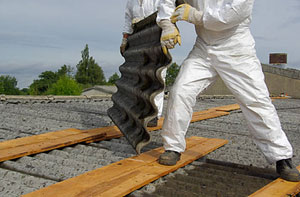
The process of asbestos garage roof removal requires safely removing old roofing materials that contain asbestos. Asbestos was frequently used in roofing owing to its durability and fire-resistant properties, but it is now known to pose serious health risks. Removing an asbestos roof requires special care and professional handling to avoid releasing harmful fibres.
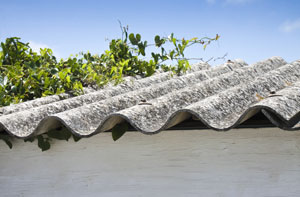
The initial step in the process of removing an asbestos garage roof is to hire a licensed asbestos removal company. These experts are qualified to securely dismantle and dispose of asbestos materials. Using protective gear to ensure their safety, they will seal off the area to prevent contamination.
After removing the roof, the asbestos material is carefully packaged and transported to a certified disposal site. The removal team will thoroughly clean the area to make sure no asbestos fibres remain. Ensuring compliance with health regulations, this process ensures the garage is safe for future use. (Asbestos Garage Roof Removal Comber)
Asbestos Floor Tile Removal Comber
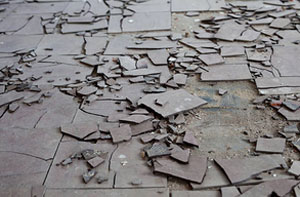
Proper safety measures and careful handling are called for when undertaking the challenging and hazardous process of asbestos floor tile removal. Asbestos, a naturally occurring mineral, found frequent usage in floor tiles in the past because of its durability and heat-resistant properties. However, the inhalation of airborne asbestos fibres has been linked to various health concerns, including mesothelioma, asbestosis and lung cancer.
To prevent exposure to the harmful fibres, specialised equipment and protective clothing such as disposable coveralls, respirators and gloves are mandatory for removing asbestos floor tiles. To guarantee the safe removal and disposal of asbestos waste and floor tiles, it is crucial to follow the guidelines set out by regulatory bodies such as the Health and Safety Executive (HSE).
The danger of asbestos exposure can be reduced by limiting asbestos tile removal to licensed professionals with adequate experience and training. Testing for any traces of asbestos and thoroughly cleaning the area are mandatory after removing the tiles. Consulting with an expert is advisable before taking any action to remove asbestos, as the existence of asbestos in a building does not always imply danger.
Artex Removal
Artex was widely used on ceilings and walls throughout the UK, particularly during the 1970s and 1980s, to create attractive textured finishes. While it is often seen as a bit dated today, the bigger concern is that older Artex coatings may contain small amounts of asbestos. If your Comber property has textured coatings and you are planning some renovation or refurbishment work, it is important to have the material assessed before you disturb it. Sanding, scraping or drilling into Artex can release harmful fibres into the air, therefore professional advice should always be sought before any work begins.
In many cases, Artex that contains asbestos can be safely managed if it remains in good condition & is left undisturbed. However, if removal is necessary, the work must be carried out using controlled methods to minimise the release of harmful fibres. Depending on the condition & the asbestos content, this may be completed by a trained non-licensed contractor in Comber, although strict procedures still need to be followed. These include the use of appropriate personal protective equipment, careful removal techniques & a thorough cleaning of the area afterwards.
All of the waste that is produced during Artex removal is classed as hazardous and must be disposed of in line with current regulations. A professional Comber asbestos contractor will ensure that all materials are securely packaged, transported and taken to a licensed disposal facility. They will also follow Health & Safety Executive guidelines throughout the process, helping to protect both occupants & workers. If you are unsure about the presence of asbestos in your Artex, it is always best to arrange testing and seek guidance from a qualified local specialist before carrying out any work.
Products That May Contain Asbestos
- Sprayed Coatings on Ceilings, Beams, Walls and Columns
- Boiler Lagging
- Textured Coatings (Older Types of Artex and Polytex)
- Roofing Felt (Especially on Garages and Outbuildings)
- Gaskets and Rope Seals (Particularly on Stove Doors and Boilers)
- Textiles (Fire Blankets, Heat-Resistent Gloves and Protective Overalls)
- Asbestos Cement Products (Cladding, Roofing Sheets and Downpipes)
- Composite Materials (Window Sills, Toilet Cisterns and Bath Panels)
- Old Floor Tiles
- Asbestos Insulation Boards (AIB) (Partition Walls, Ceiling Tiles and Fire Door Panels
Asbestos Removal Training Courses

ATaC provide several asbestos related training courses, for anyone who wants to earn certificates in asbestos analysis, asbestos surveying, asbestos removal and asbestos management. The currently available courses are RSPH Level 3 Award in Asbestos Air Monitoring and Clearance Procedures, RSPH Level 3 Award in Asbestos Surveying, Remote RSH Level 3 Award in Asbestos Management for Dutyholders, RSPH Level 3 Award in Asbestos Bulk Analysis and RSPH Level 4 Certificate in Asbestos Laboratory and Project Management. These qualifications are through the RSPH (Royal Society for Public Health), and have been specifically designed for professionals involved with asbestos management, working for UKAS approved companies.
Asbestos Removal Tasks Comber

Asbestos removal companies should be able to help with asbestos demolition strip-outs, fly tipping clearance, residential asbestos surveys in Comber, the removal of asbestos, asbestos dismantling, asbestos air monitoring, domestic asbestos removal Comber, asbestos air monitoring and clearance testing after removal work, industrial asbestos surveys, house clearance, ground remediation, asbestos removal services in Comber, hazardous asbestos removal Comber, asbestos management surveys for landlords and property owners, asbestosis prevention, corrugated asbestos removal, reinstatement services, asbestos abatement, asbestos flue removal, asbestos gutter removal, office clearance, asbestos inspections, asbestos encapsulation, asbestos replacement, lead paint testing, soft strip demolition, and other hazardous waste related jobs. Listed are just a few of the tasks that are handled by those specialising in asbestos removal. Comber providers will be happy to inform you of their whole range of asbestos services.
Occupations Most at Risk of Asbestosis (Mesothelioma)
(In No Particular Order)
- Construction Workers
- Metal Working Production & Maintenance Fitters
- Vehicle & Coach Body Builders
- Mechanical Engineers
- Electrical Energy, Boiler & Plant Operatives
- Electrical Maintenance Engineers & Electricians
- Plumbers & Heating Engineers
- Carpenters & Joiners
- Metal Plate Workers
- Mates to Electrical & Metal Fitters
- Sheet Metal Workers
(Source: Health and Safety Executive Study 2009)
Asbestos Removal Near Comber
Also find: Greyabbey asbestos removal, Carryduff asbestos removal, Crossnacreevy asbestos removal, Killinchy asbestos removal, Ballygowan asbestos removal, Lisbane asbestos removal, Millisle asbestos removal, Carrowdore asbestos removal, Saintfield asbestos removal, Moneyreach asbestos removal, Newtownards asbestos removal, Dundonald asbestos removal, Balloo asbestos removal services and more. All these villages and towns are covered by companies who do asbestos removal. Comber business and home owners can get estimates by going here.
Asbestos Removal Services Comber
- Asbestos Removal Quotes
- Hazardous Material Removal
- Domestic Asbestos Removal
- Asbestos Surveys
- Hazardous Waste Removal
- Asbestos Removal
- Asbestos Disposal
- Industrial Asbestos Removal
- Residential Asbestos Removal
- Commercial Asbestos Removal
- Asbestos Removal Prices
- Asbestos Inspections
- Asbestos Removal Contractors
- Biohazard Removal
 Asbestos Removal Comber
 Asbestos Removal Near Comber
 Asbestos Removal Companies Comber
If you want local info about Comber, Northern Ireland look here
Asbestos Removal in BT23 area, (dialling code 028).
Asbestos Removal Near Me - Asbestos Removal Contractors Comber - Asbestos Removal Quotes - Hazardous Waste Removal - Asbestos Removal Comber - Industrial Asbestos Removal Comber - Removing Asbestos - Waste Removal - Asbestos Disposal Comber