
Asbestos Removal Clayton-le-Moors Lancashire (BB5) Area: The cause of approximately five thousand deaths each year (according to the HSE), asbestos is categorised as a material that's hazardous to health. If you find asbestos in your Clayton-le-Moors property or business premises, and it needs removing and disposing of, you have to confer with a specialist in the asbestos sector before you commence any work. If you are carrying out construction work and you suddenly encounter asbestos which you were not previously aware of, you must seek the advice of a qualified asbestos professional and stop working in the affected area straight away. So as to be able to give advice on the preferred way to make the area safe, they are the correct people to check out the suspect material and fully evaluate the situation.
It may be discovered during the inspection that you do not need to use a HSE certified contractor for the asbestos removal. But, due to the long lasting effects to health from asbestos dust and fibres, it is always sound practice to use certified asbestos professionals. There are numerous laws and regulations governing the asbestos industry with which an experienced Clayton-le-Moors contractor has to abide by in order to safely remove of any asbestos compounds.
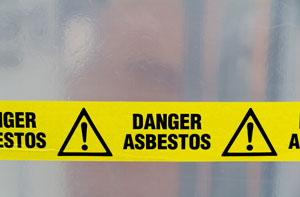
In many cases, the first step before any asbestos removal work begins is to carry out an asbestos survey or sampling to confirm exactly what materials are present. This helps to avoid any unreliable guesswork and ensures that the correct approach is taken from the outset. In Clayton-le-Moors properties, especially those that are undergoing refurbishment, this early check can make a real differance in keeping projects running smoothly. By correctly identifying the type, condition and location of any asbestos, a specialist can plan the safest method of handling it & reduce the risk of any unexpected issues cropping up down the line.
HEALTH DANGERS FROM ASBESTOS
Asbestos when left untouched isn't harmful to health. Only when it is cut or scraped can small asbestos fibres or particles be released into the air. When these fibres find their way into lungs by breathing, they can cause a disease called, asbestosis. Lung cancer specialists have also identified asbestos fibres to be a contributing cause in the disease.
Asbestos fibres cause irreversible scarring to the lungs, and there is no known cure for asbestosis.
Symptoms for asbestosis may include:
- Severe Shortness of Breath
- Persistent Cough
- Wheezing
- Extreme Fatigue
- Pain in Your Shoulder or Chest
If you develop one or more of these symptoms and you have been exposed to asbestos over a period of time, you must make an appointment to see your doctor and get their advice.
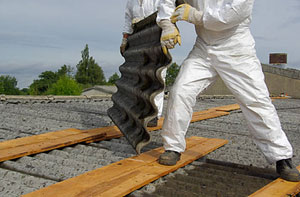
It is worth bearing in mind that the effects of asbestos exposure do not usually appear straight away, and in many cases symptoms can take years, sometimes decades, to develop. This delayed response is what makes asbestos particularly dangerous, because people may not realise they have been exposed until much later on. For this reason, even small amounts of disturbed asbestos should be taken seriously & dealt with using the correct procedures. By limiting exposure and making sure that any suspected materials are handled by trained professionals, the risks to health can be greatly reduced over time.
WHAT YOU NEED TO CONSIDER WHEN DEALING WITH ASBESTOS
Asbestos was banned from being used in the UK in 1999, although it hadn't been very widely used after around 1985. Countless older properties may therefore contain asbestos in certain areas of the structure. It could be found in any section of an older property since it was employed as a fireproofing and insulating material in many different areas.
If you do happen to discover asbestos lagging or panels in your home in Clayton-le-Moors, do not go into a panic. It is only when asbestos is disturbed that it can become a danger to health. There are a few cases whereby it might be better to leave the asbestos in situ, ensuring that it's not damaged or disturbed. If you are at all unclear about the condition of the asbestos or its potential for health issues, seek advice from a certified asbestos company or surveyor in Clayton-le-Moors.
Not all asbestos materials are high risk and require licensed asbestos removal contractors to deal with them. Due to how various asbestos products are made and their likelihood to release harmful fibres into the air, products such as loose fill insulations, pipe lagging and asbestos insulation boards are higher risk to health than asbestos cement sheets and roofing panels. Irrespective of the risks associated with asbestos, a certified asbestos removal company in Clayton-le-Moors can safely identify, remove and dispose of any harmful materials present in your property or home.

Subject to the sort and use of the property, and whether the asbestos material is in a form that requires a registered contractor, then the local authority or the Health & Safety Executive must be advised. To prevent and limit any dangerous exposure to asbestos, the Control of Asbestos Regulations 2012 is the legal document that has to be complied with by your authorised removal firm.
If you do not hold a certified HSE asbestos license you might be prosecuted if you undertake any asbestos removal which requires a licensed individual to perform the process.
THE DISPOSAL OF ASBESTOS
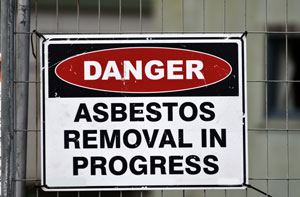
When the asbestos products have been stripped away from your Clayton-le-Moors property they must be viewed as hazardous waste. It's essential that any asbestos hazardous waste is disposed of in a safe and recommended manner, following the stated guidelines from the local authority. A certified asbestos removal firm in Clayton-le-Moors will comply with all of the regulations and guidelines outlined by the local authority and the Health & Safety Executive.
If the asbestos has been damaged, or if it is loose fibre asbestos, it must be transferred in accordance with the Carriage of Dangerous Goods Act 2009. For secure and safe transport of these dangerous materials, a waste carrier license is essential and the asbestos waste can only be processed in a government authorised hazardous waste site. Your Clayton-le-Moors asbestos removal specialist will hold liability for making sure this is undertaken correctly, and must retain all records concerning the removal and disposal for at least three years.
THE WORK STAGES
Before removing any items that may contain asbestos from your Clayton-le-Moors property, it's good practice to confirm the materials which are involved. Surveys and inspections by registered and licensed asbestos removal contractors or asbestos surveyors are the only way to effectively determine the asbestos risk in your home or business premises. If you decide not to undertake a professional asbestos survey on an older house or property, you have to presume there is asbestos present and take all the necessary precautions.
A certified asbestos surveyor should be independent of your asbestos removal contractor, and will perform all testing, sampling and surveys.
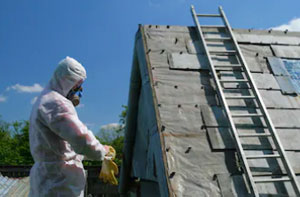
If it's decided that you need to hire a Health & Safety Executive authorised asbestos firm for the removal and disposal work necessary, it's a legal requirement to advise the Health and Safety Executive of any work to be carried out at least 14 days in advance. A certified contractor will provide all the required documents which should include: 1. All relevant training certificates for workers along with all company documentation covering risk assessments, hazardous waste disposal, work licenses and any other papers required by law. 2. A strategy for the asbestos sampling, plus the methods of clearing up the work site after completion by observing the 4 stages of clearances. 3. A work declaration outlining the legal guidelines that must be complied with. 4. A Certificate of Reoccupation from the appropriate authorities after the four stage clearance process has been finished.
All health & safety precautions for the workforce, including personal protective equipment (PPE), will be provided by the asbestos removal contractor and they will make sure all dangerous asbestos waste is properly removed to an approved disposal centre.
Once the work has been completed, the area may also go through a final inspection and clearance process to confirm that it is safe for normal use again. This can include visual checks and, where required, air monitoring to ensure that no asbestos fibres remain. Having this final stage signed off properly gives reassurance that everything has been handled in line with current safety standards & that the space can be used without any ongoing risk.
AFFILIATIONS, PROFESSIONAL ORGANISATIONS and QUALIFICATIONS
Before you settle on an asbestos removal firm in Clayton-le-Moors, confirm their affiliation and membership of professional bodies and associations within the asbestos sector.
ARCA - The Asbestos Removal Contractors Association is the UK's premier organisation representing companies working within the industry. They devote themselves to the promotion of safe working practices by providing support, guidance and training on all matters concerning the asbestos removal industry.
ATaC - The Asbestos Testing and Consultancy Association is the de-facto trade organisation for surveyors, testing laboratories and analysts, working with all products thought to contain asbestos. ATaC is an approved UKAS associate and provides recognition to its members in this specialist area.
UKATA - The UK Asbestos Training Association (UKATA), is a nonprofit agency which provides the finest quality training to the all those within the asbestos industry. From the biggest companies to an individual homeowner, UKATA has a training program with recognized qualifications for anybody; these qualifications can be checked by means of their online portal for validity.
Asbestos surveys and asbestos removal services are available to home and business owners in Clayton-le-Moors and additionally in surrounding areas like Ramsgreave, Altham, Blackburn, Great Harwood, Oswaldtwistle, Accrington, Scaitcliffe, Whalley, Church, Huncoat, Cliffe, Simonstone, Rishton, Baxenden, Ormskirk, Altham West, Rising Bridge. Locally based Clayton-le-Moors asbestos removal companies will likely have the postcode BB5 and the telephone dialling code 01254. Checking this out should confirm that you are accessing locally based providers of asbestos removal. Clayton-le-Moors property owners will be able to utilise these and numerous other comparable services.
Asbestos Awareness Courses Clayton-le-Moors
Asbestos awareness courses and programs are offered all over the UK and provide personnel with ways to avoid coming into contact with asbestos. This kind of course does not prepare anybody, professionals or private individuals, on ways to work with items that contain asbestos. However, if they are confronted by materials that might contain asbestos (ACM's) in the workplace, both supervisors and employees must be able to recognise them, know what procedures are recommended, and take the right steps to safeguard themselves and co-workers.
Course information and subject material should deal with the following points:
- What action to take if asbestos is inadvertently disturbed or particles of asbestos is discharged into the air
- Asbestos avoidance strategies
- Effects on the human body from asbestos exposure
- Areas where you're likely to encounter asbestos
Asbestos awareness courses are also available online and offer an excellent way to obtain quick asbestos certification in Clayton-le-Moors. An online course might possibly be the only option if you aren't able to find an actual physical asbestos awareness course in Clayton-le-Moors itself.
Types of Asbestos
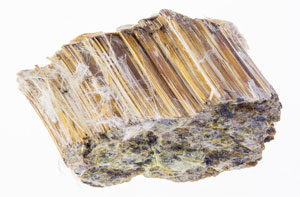
A fibrous material that occurs naturally on every one of the world's continents, asbestos was regularly used in construction and manufacturing from the end of the 19th century to the late 1990s. In all there are 6 different forms of asbestos, all of which are unique minerals part of the amphibole and serpentine families, namely - amosite, chrysotile, crocidolite, tremolite, anthophyllite and actinolite.
The three most widely found of these minerals were; amosite, crocidolite and chrysotile, and it's these principal types that we're going to be considering in this brief article.
Asbestos Encapsulation Clayton-le-Moors
Asbestos encapsulation is an important method for managing asbestos-containing materials (ACMs) without the need for removal. In this process, a sealant is applied to the ACMs to prevent asbestos fibres from being released. When the material is encapsulated, the risk of exposure is significantly reduced, making the environment safer for occupants.
Compared to complete removal, the chief advantage of asbestos encapsulation is its cost-effectiveness. Encapsulation is less disruptive, enabling buildings to remain operational during the process. Furthermore, it delivers a robust solution that can last for many years, ensuring prolonged protection against asbestos exposure.
Nonetheless, asbestos encapsulation requires meticulous planning and execution by trained professionals. Frequent inspections are needed to make sure the sealant stays intact and to monitor the condition of the encapsulated material. Immediate repair is vital to ensure safety and compliance with health regulations should any damage occur. (Asbestos Encapsulation Clayton-le-Moors)
Asbestos Air Monitoring Clayton-le-Moors
Asbestos air monitoring is an exhaustive procedure that is used to evaluate the safety of air quality in environments that could potentially be contaminated with airborne asbestos fibres and to ensure that it is safe. The air is sampled and analysed methodically for the presence of these harmful fibres. The health of personnel, occupants or residents is assessed to determine whether the level of airborne asbestos fibres poses a threat to it.
Using specialist equipment, competent asbestos professionals perform air monitoring. Air sampling devices are carefully placed in areas where asbestos removal or disturbance is taking place. Air samples are gathered by these devices over a specified period. After collection, the samples are analysed in approved laboratories to determine the quantity and type of asbestos fibres present in the area.
Asbestos air monitoring can't be overemphasised in its significance, serving several critical purposes:
- Risk Assessment: During activities such as asbestos renovation, maintenance or removal, asbestos air monitoring helps to assess the level of asbestos exposure risk. This enables informed decisions to be made about the need for protective measures.
- Regulatory Compliance: Asbestos air monitoring is an important tool for ensuring compliance with asbestos management regulations and for documenting the safety measures taken, and it is required by law in a lot of countries, including the United Kingdom.
- Worker Safety: Air monitoring is a crucial tool for people involved in asbestos-related work, such as asbestos removal specialists, maintenance staff, and construction workers, to ensure their safety by providing real-time data on the effectiveness of containment measures and the need for personal protective equipment.
- Public Health: The small size of asbestos fibres allows them to travel through the air, possibly spreading beyond the work area to neighbouring buildings or even people walking by. To protect the adjoining community from inhaling these hazardous fibres, air monitoring is essential.
- Verification of Abatement: After asbestos removal or control measures have been put in place, air monitoring is typically carried out to confirm the area is safe to reoccupy. This prevents possible exposure to any remaining asbestos fibres.
Conclusion: Asbestos air monitoring serves as a key defence against the health risks posed by asbestos exposure. Providing accurate data on airborne asbestos fibre concentrations enables timely interventions, safeguards the health of workers and the public, and ensures regulatory compliance. Diseases related to asbestos exposure have a long latency period, frequently taking decades to show symptoms. Therefore, proactive asbestos air monitoring is critical in preventing future health crises and safeguarding those living and working in areas with potential asbestos threats. (Tags: Asbestos Air Monitoring Clayton-le-Moors)
Artex Removal
It was fairly common back in the nineteen seventies and eighties, for tradesmen and do-it-yourself fanatics, to apply Artex to the ceilings and walls of houses in Clayton-le-Moors. Artex was extremely useful for masking cracks, imperfections and flaws in these surfaces, because of its strong, textured finish. In many situations the 60s craze of polystyrene ceiling tiles (a notorious fire risk), was replaced by a coating of what was then thought of as the "safer" Artex.

Ironically, since Artex contained asbestos, one dangerous material was just being substituted for another. The real perils of asbestos in building materials were not fully understood at this stage of course, and it was not banned in Great Britain until the late 1990s. Because countless houses in Clayton-le-Moors still have ceilings and walls that are covered in Artex, you would imagine that this would be a major concern, however, as this product is largely harmless as long as it is not disturbed in any way, it does not present that much of a problem.
If you've a dwelling in Clayton-le-Moors that has Artex on the walls or ceilings you should never attempt to get it off by yourself, although textured coating removal is classified as a non-licenced project. Any asbestos removal contractor in the Clayton-le-Moors area will be glad to test whether asbestos is indeed contained in your textured coatings, and give you a quotation to safely remove the Artex. (Tags: Asbestos Artex Removal Clayton-le-Moors, Removing Artex Clayton-le-Moors, Textured Coating Removal Clayton-le-Moors, Artex Removal Clayton-le-Moors).
Ground Remediation Services Clayton-le-Moors
Ground remediation refers to the process of cleaning up and restoring groundwater or contaminated soil. Ground remediation is normally necessary in areas where pollutants, like pesticides, heavy metals or industrial chemicals, have caused soil or groundwater contamination. Ground remediation aims to reduce the levels of pollutants to a safe threshold, thus restoring the land to a usable and safe condition. Ground remediation can be executed through diverse techniques, such as excavation, bioremediation and soil washing. The strategy used will depend on the type and degree of contamination, along with the site conditions. Ground remediation is a lengthy and often complex process, requiring expertise and specialised tools. It is crucial to collaborate with skilled professionals who can make sure that the remediation process is completed safely and effectively. In closing, ground remediation is a vital undertaking for the restoration of polluted or contaminated land, and its effectiveness depends on picking the appropriate approach for each specific situation and partnering with seasoned professionals, so that success and safety is assured.
Asbestos Floor Tile Removal
Asbestos floor tiles were commonly used in homes and commercial buildings in Clayton-le-Moors, particularly between the 1950s and 1980s, due to their durability and resistance to heat. In many cases, these tiles can still be found beneath carpets, vinyl, or laminate flooring. If your property has older flooring and you're planning any renovation work, its worth considering the possibility that asbestos may be present. The tiles themselves are often low risk when left undisturbed, but once lifted, cut, or broken, they can release fibres into the air.
If asbestos floor tiles are suspected, it is best to avoid disturbing them & arrange for a proper assessment. An asbestos removal specialist can take samples and confirm whether asbestos is present, along with advising on the safest way forward. In some situations, the tiles can be left in place and sealed over, especially if they are in good condition. Where removal is required, the process is carried out using controlled techniques designed to keep fibre release to a minimum.
During asbestos floor tile removal, the work area should be carefully managed, and appropriate protective equipment must be used throughout. Tiles are lifted intact where possible, rather than broken up, and any adhesive residues are handled with care. All waste will then be securely packaged and taken to a licensed disposal facility in line with current regulations. Once the job is complete, the area will be cleaned & checked to ensure that it is safe for further work or everyday use.
Local Asbestos Removal Enquiries

Recent asbestos removal requests: Codie Samuels said - After asbestos removal for a small business unit, asbestos discovered during maintenance so need it dealt with quickly. Ricardo Pollock said - We need asbestos removed from flooring and adhesive before new install. Finlay Gibbs wrote - Need asbestos removal carried out in a bungalow where asbestos insulation boards have been identified, looking for a tidy job with all paperwork handled. Sapphire Langton said - We need asbestos removal near Clayton-le-Moors for a garage conversion project, asbestos roofing needs removing before work can continue. Astrid Newton said - I am looking to get asbestos cleared from ceiling coatings before decorating, not sure what we're dealing with so need proper advice first. Aqsa Forde said - I'm looking to get asbestos cleared from a small workshop, materials are ageing and starting to break down. Constance Lowe wrote - Need asbestos removal in a rental property where tenants flagged damaged asbestos boards, want it sorted quickly and safely with minimal disruption. Beau Mcbain said - Found asbestos debris from previous works, not confident it was handled properly so want it cleared and made safe. These Lancashire householders conducted a search for "asbestos removal Lancashire" or "asbestos removal near me", and noticed this page on either Yahoo, Google or Bing.
 FAQ: Here are a selection of the most frequently asked questions about asbestos management and asbestos removal: Who is responsible for managing asbestos in a building? Is asbestos testing the same as an asbestos survey? Does asbestos removal require notification to authorities? What do asbestos air monitoring results actually mean? Can I take an asbestos sample myself? Is asbestos removal disruptive? How should asbestos be packaged for disposal? When does asbestos need to be removed? What types of asbestos are most common? What are employers' responsibilities regarding asbestos?
Asbestos Removal Tasks Clayton-le-Moors

Asbestos removal contractors will be able to help with soft strip demolition, asbestos consulting, house clearance, asbestos management, licensed asbestos removal Clayton-le-Moors, asbestos identification, household asbestos removal Clayton-le-Moors, artex asbestos surveys in Clayton-le-Moors, asbestos management in Clayton-le-Moors, asbestosis prevention, ground remediation, environmental cleaning, commercial asbestos removal Clayton-le-Moors, asbestos floor tile removal in Clayton-le-Moors, asbestos air monitoring, asbestos air monitoring & clearance testing after removal work, hazardous material management, asbestos floor tile removal before renovation or refurbishment works, asbestos roof tile removal, textured ceiling removal, asbestos removal for refurbishment and demolition project requirements, armosite brown asbestos removal Clayton-le-Moors, white asbestos removal, asbestos removal from loft insulation and roof void areas, asbestos flue removal, the removal of asbestos, and other hazardous waste related work. These are just a small portion of the activities that are carried out by those specialising in asbestos removal. Clayton-le-Moors companies will be happy to tell you about their entire range of services.
Some Occupations Most at Risk of Mesothelioma (Asbestosis)
(In No Particular Order)
- Mates to Electrical, Metal & Related Fitters
- Carpenters & Joiners
- Electricians
- Mechanical Engineers
- Electrical Energy, Boiler & Plant Attendants
- Metal Working Production & Maintenance Fitters
- Shipbuilders
- Construction Workers
- Plumbers/Heating & Ventilation Engineers
- Demolition Workers
- Coach & Vehicle Body Builders
(Source: HSE Study 2009)
Products Which Could Contain Asbestos
- Rope Seals and Gaskets (Especially on Hot Water Boilers and Stove Doors)
- Composite Materials (Toilet Cisterns, Window Sills and Bath Panels)
- Asbestos Insulating Boards (Partition Walls, Ceiling Tiles and Panels in Fireproof Doors
- Boiler Lagging
- Roofing Felt (Especially on Outbuildings and Garages)
- Textiles (Protective Overalls, Fire Blankets and Heat-Resistent Gloves)
- Spray Coatings on Ceilings, Beams, Walls and Columns
- Textured Coatings (Older Types of Artex and Polytex)
- Asbestos Cement Products (Corrugated Roof Sheets, Downpipes and Cladding)
- Floor Tiles
Asbestos Removal Near Clayton-le-Moors
Also find: Rishton asbestos removal, Accrington asbestos removal, Oswaldtwistle asbestos removal, Simonstone asbestos removal, Baxenden asbestos removal, Rising Bridge asbestos removal, Cliffe asbestos removal, Huncoat asbestos removal, Altham West asbestos removal, Scaitcliffe asbestos removal, Great Harwood asbestos removal, Whalley asbestos removal, Ormskirk asbestos removal, Altham asbestos removal, Blackburn asbestos removal, Church asbestos removal, Ramsgreave asbestos removal services and more. The majority of these locations are served by companies who do asbestos removal. Clayton-le-Moors homeowners can get price quotes by clicking here.
Asbestos Removal Services Clayton-le-Moors
- Biohazard Removal
- Hazardous Waste Removal
- Industrial Asbestos Removal
- Asbestos Removal Quotes
- Asbestos Removal Contractors
- Asbestos Removal Prices
- Asbestos Surveys
- Waste Removal
- Commercial Asbestos Removal
- Domestic Asbestos Removal
- Residential Asbestos Removal
- Asbestos Testing
- Asbestos Disposal
- Hazardous Material Removal
Asbestos Removal Clayton-le-Moors
Asbestos Removal Near Me Asbestos Removal Companies Clayton-le-Moors
To get local info relating to Clayton-le-Moors, Lancashire look here
More: Safety Compliance, Asbestos Roof Removal, Asbestos Handling, Hazardous Waste Disposal, Cheap Asbestos Removal, Asbestos Extraction, Asbestos Specialists, Asbestos Consultancy, Asbestos Encapsulation, Asbestos Consultancy, Asbestos Extraction, Asbestos Testing, Environmental Cleaning, Asbestos Risk Assessment, Asbestos Inspections, Asbestos Survey, Asbestos Auditing, Asbestos Specialists, Cheap Waste Removal, Asbestos Risk Assessment.
Asbestos Removal in BB5 area, phone code 01254.
TOP - Asbestos Removal Clayton-le-Moors
Asbestos Removal Clayton-le-Moors - Asbestos Survey Clayton-le-Moors - Domestic Asbestos Removal Clayton-le-Moors - Removing Asbestos - Commercial Asbestos Removal Clayton-le-Moors - Waste Removal - Asbestos Removal Specialists Clayton-le-Moors - Asbestos Removal Near Me - Asbestos Encapsulation